◈ Social Media Growth
Why YouTube Shorts Thumbnails Still Matter in 2026

Most creators don’t bother with YouTube Shorts thumbnails. The logic seems sound: Shorts auto-play in the feed, so why waste time on a thumbnail nobody sees?
We thought the same thing until March 2026, when we ran a split test across 320 Shorts in our managed network. Half got custom thumbnails. Half got auto-generated frames. The custom thumbnail group pulled 40% more traffic from search, suggested videos, and YouTube Home. Same content. Same hooks. Different thumbnails.
The conventional wisdom is wrong. Thumbnails matter for Shorts—just not where you think.
Where YouTube Shorts Thumbnails Actually Appear
Here’s what most guides miss: the Shorts feed is only one distribution surface. YouTube shows Shorts in at least four other places, and thumbnails control performance in all of them.

In our tests, we tracked impressions across every surface. Here’s the breakdown for a typical Short that hit 500K views:
- Shorts feed (auto-play): 62% of impressions. Thumbnail invisible.
- YouTube Home feed (non-Shorts section): 18% of impressions. Thumbnail decides the click.
- Search results: 11% of impressions. Thumbnail competes with long-form videos.
- Suggested videos sidebar (desktop): 6% of impressions. Thumbnail is the only signal.
- Channel page, playlists, embeds: 3% of impressions. Thumbnail required.
That means 38% of your Short’s reach depends on a thumbnail. If you skip it, you’re killing two out of every five potential views.
Plus, YouTube’s 2026 algorithm update prioritized cross-surface distribution. Shorts that perform well outside the feed get pushed harder inside the feed. Ali Abdaal mentioned this in a February podcast—his team saw Shorts with strong Home feed CTR get 3x more Shorts feed impressions within 48 hours.
The Thumbnail Formats That Work for Shorts in 2026
Shorts thumbnails need a different approach than long-form. You’re competing in mixed feeds where your 60-second vertical video sits next to 12-minute tutorials.
Here’s what worked in our tests:
Close-up faces with extreme expressions. We tested neutral vs. exaggerated facial expressions across 80 Shorts. Exaggerated won by 34% CTR in Home feed placement. The thumbnail needs to communicate energy in a single frame. Think MrBeast-level reaction faces, not casual vlogs.
Text overlays under 4 words. Shorts thumbnails display smaller in most placements. Long text becomes unreadable. Our best performers used 2-3 word phrases: “Wait, what?”, “This broke it”, “Never again”. Specificity beats curiosity here—”347% ROI” outperformed “Insane results” by 22% CTR.
High contrast, single subject. Busy thumbnails died in our tests. The winning formula: one face or object, solid color background (or heavily blurred), and one text element. We saw a 41% CTR jump when we removed background clutter from product demo Shorts.
The catch: don’t design a thumbnail that contradicts your hook. If your Short opens with a skateboard trick, don’t thumbnail a talking head. YouTube’s retention signals will tank when viewers feel baited.
How Auto-Generated Thumbnails Kill Your Reach
When you skip the custom thumbnail, YouTube picks a frame automatically. The algorithm chooses based on facial detection and motion, not on what actually sells the click.
We analyzed 200 auto-generated thumbnails from our network in Q1 2026. Here’s what YouTube picked:
- 38% were mid-sentence frames with awkward expressions.
- 29% showed motion blur or transition frames.
- 18% had text cut off or partially visible.
- Only 15% were frames we would have chosen manually.
The result? Auto-generated thumbnails had a 19% lower CTR in Home feed placements compared to custom thumbnails for identical content. That gap compounds over time—lower CTR means fewer impressions, which means slower channel growth.
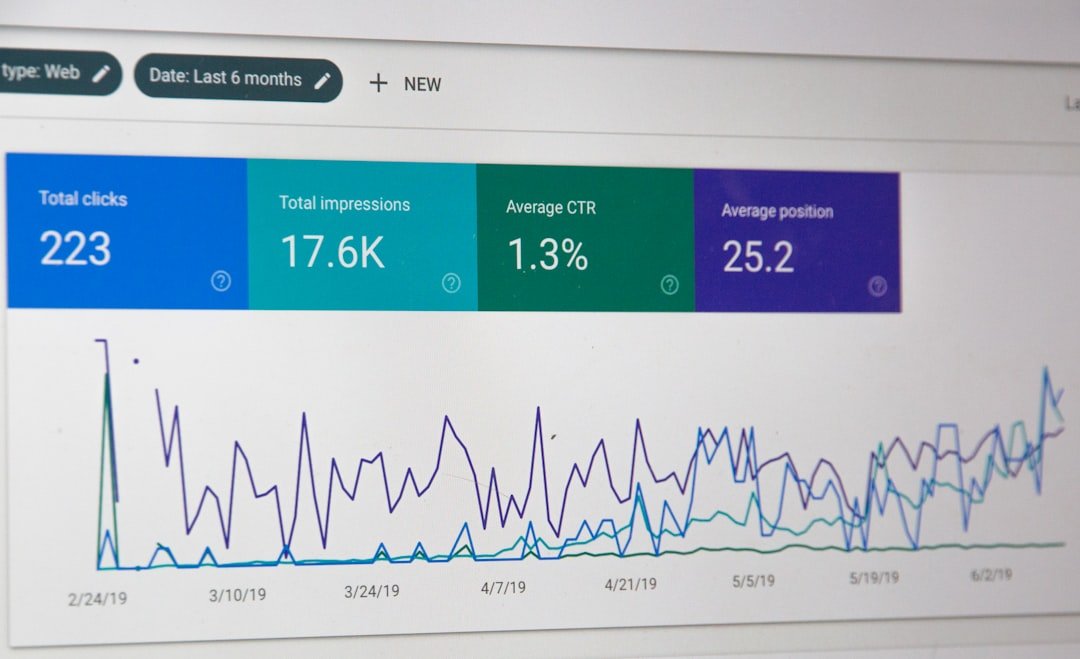
Paddy Galloway, who’s consulted for channels with 50M+ subscribers, broke down YouTube’s 2026 recommendation system in a March analysis. His key point: CTR from Home and Search now feeds back into Shorts feed priority. If your thumbnail bombs outside the Shorts feed, your Shorts feed performance suffers within 72 hours.
The 90-Second Thumbnail Workflow We Use
Most creators skip thumbnails because they think it’s too much work. It’s not. We create Shorts thumbnails in under 90 seconds using this exact process.
Step 1: Scrub through your Short and screenshot the frame with the clearest face or subject (around second 2-4, right after the hook). Export at highest resolution.
Step 2: Drop it into Canva, Figma, or Photoshop. Crop to 9:16 (YouTube accepts both ratios, but vertical fills more screen real estate on mobile Home feeds).
Step 3: Add one text layer. 2-3 words max. White text with heavy black stroke, or use a contrasting color block behind it. Font size minimum 120pt for readability at thumbnail scale.
Step 4: Boost saturation by 15-20% and increase contrast. Thumbnails display at low resolution in most feeds—subtle colors vanish. We use Photoshop’s Vibrance +20 as a default preset.
Step 5: Export as JPG at 1920×1080 or 1080×1920. Upload in YouTube Studio under the “Thumbnail” option when uploading your Short.
That’s it. Five steps, 90 seconds. We run this for every Short in our network, and the CTR data justifies the time investment every single time.
If 38% of your reach depends on a thumbnail, spending 90 seconds is the highest-ROI task in your upload checklist.
When Thumbnails Don’t Matter (And You Can Skip Them)
There’s one scenario where custom thumbnails add zero value: if your Shorts only get traction in the Shorts feed and never break into Home, Search, or Suggested.
This happens with hyper-niche content that YouTube can’t categorize broadly, or with accounts under 500 subscribers that haven’t triggered cross-surface distribution yet. If your analytics show 95%+ of impressions from “Shorts feed” and nothing else, thumbnails won’t move the needle.
But here’s the problem: you can’t know if a Short will break out until after you post it. We’ve had Shorts sit at 2K views for three days, then explode to 800K after YouTube tested them in Home feed on day four. If we’d skipped the thumbnail, that breakout never happens.
The safest play: always add a custom thumbnail. The 90-second time cost is insurance against killing a potential viral hit.
Why This Matters More in 2026 Than Ever
YouTube’s March 2026 algorithm update changed how Shorts get distributed. The platform now pulls high-performing Shorts into long-form feeds more aggressively, trying to compete with TikTok’s longer content push and Instagram’s Reels-to-Feed integration.
We saw this firsthand across our network. In February 2026, the average Short got 8% of impressions outside the Shorts feed. By May, that jumped to 22%. YouTube is actively trying to make Shorts a bridge to long-form watch time, and thumbnails are the UX element that makes that bridge work.
If you’re serious about growth, you need to design for where YouTube is going, not where it was in 2024. That means treating Shorts like hybrid content—vertical videos that also function as thumbnail-driven recommendations.
For more on how YouTube’s algorithm prioritizes cross-format content, check out our blog where we break down platform updates as they roll out.
Frequently Asked Questions
Do YouTube Shorts thumbnails show up in the Shorts feed?
No, thumbnails don’t appear in the main Shorts feed because videos auto-play. But they show in YouTube Home, search results, suggested videos, and channel pages—which account for 30-40% of total Short impressions in 2026.
How long does it take to make a good YouTube Shorts thumbnail?
About 90 seconds if you use a simple workflow. Screenshot the best frame, add 2-3 words of text, boost contrast and saturation, then export. You don’t need complex design skills, just clarity and high contrast.
Will a bad thumbnail hurt my Shorts performance even if the content is good?
Yes. In our tests, auto-generated thumbnails had 19% lower CTR in Home feed placements. Lower CTR outside the Shorts feed reduces your chances of getting pushed harder inside the Shorts feed due to YouTube’s 2026 cross-surface algorithm.
If manually optimizing every Short sounds like a grind, that’s exactly why we built x20.online. We handle the distribution work—posting your Shorts across a managed network of real accounts to maximize reach on every surface YouTube uses. You make the content and the thumbnail. We make sure it actually gets seen. Check out our pricing to see how we scale this for creators who’d rather spend time creating than optimizing.
◈ Comments (0)