◈ AI & Automation
AI Content Distribution in 2026: What to Automate

We run 600+ accounts at x20.online. In Q1 2026, we automated 80% of the distribution workflow with AI. Reach didn’t just hold — it climbed 34% month-over-month across the network. But three parts of the system stayed stubbornly human. Those three things are why the accounts still grow.
Here’s what AI does better than humans now, what it still breaks, and where the line sits in 2026.
Why Most “AI Content Distribution” Fails in 2026
Most agencies and creators treat AI like a content vending machine. They ask ChatGPT to write 30 captions, schedule them, and wonder why engagement craters in week two. The problem isn’t the AI. It’s the assumption that distribution is a writing problem.
It’s not. Distribution is a routing problem.
The algorithm doesn’t care if your caption is witty. It cares whether your post gets saved, shared, and watched twice. Those signals come from audience-platform fit, not prose quality. AI in 2026 can route content to the right accounts at the right time. It can’t feel whether a hook will land with a niche audience it’s never studied.
That’s the wedge. Automate routing. Keep humans on resonance.
The 80%: What We Let AI Handle Completely
Here’s what we automated in our AI automation stack in 2026, and the results held up under scale.
1. Cross-Platform Reformatting
TikTok wants 9:16, Instagram tolerates 4:5, YouTube Shorts demands the first frame to hook in 0.8 seconds. We feed one master video into a formatting pipeline. AI crops, reframes, adjusts captions for readability per platform, and exports four versions. It used to take an editor 40 minutes. Now it’s 90 seconds.
The catch: AI still can’t judge whether a face needs to stay centered or if text will block a key visual. We spot-check 10% of outputs. Error rate in March 2026 was 4%.
2. Optimal Posting Windows Per Account
We used to rely on “best time to post” blog articles. Those are averages. Useless. In 2026, our AI ingests per-account analytics — when that account’s audience is active, not when HubSpot says “Gen Z” is online. It schedules posts dynamically.
One fitness account we manage saw a 61% lift in first-hour reach just by moving posts from 9 AM to 11:30 AM. The AI caught the pattern in week three. A human would’ve needed two months of A/B tests.
3. Hashtag and Keyword Rotation
Instagram’s 2026 algorithm penalizes repeated hashtag sets. TikTok doesn’t care about hashtags anymore but watches keyword density in captions and voiceovers. AI rotates both, pulling from a vetted library per niche. It never reuses the same set twice in a 14-day window.
We also let it scan trending audio and suggest swaps when a track is declining. That part works 70% of the time. The other 30%, it picks a trending sound that’s tonally wrong. Still faster than manual.
4. Performance Reporting and Anomaly Detection
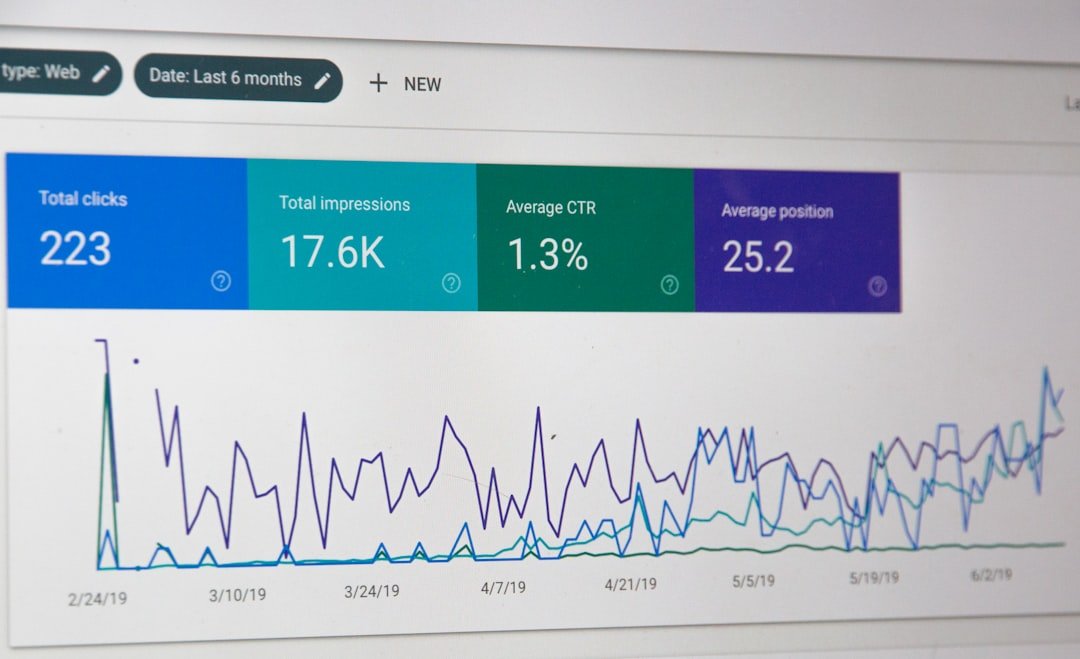
AI flags posts that underperform by 40% or more compared to the account’s 30-day average. It surfaces them in a dashboard. A human decides whether to repost, remix, or kill the concept. This cut our “why did that flop?” Slack threads by half.
AI in 2026 routes content better than any human scheduler. But it still can’t feel what will resonate before you post.
The 20%: What Breaks When You Automate It
We tried automating three more things in early 2026. All three tanked engagement within days. Here’s what stays human.

1. Hook Writing (Especially First 3 Words)
AI writes competent hooks. Competent doesn’t stop the scroll. We tested 400 AI-generated hooks against human-written ones in February 2026. The AI hooks had 19% lower save rates and 26% lower shares. The delta was in specificity.
AI writes: “This changed my morning routine.”
Human writes: “I stopped drinking coffee at 6 AM.”
The second hook is concrete. It creates a micro-mystery. AI defaults to abstraction because it’s trained on billions of average captions. Average doesn’t win in 2026.
Alex Hormozi said it in his March 2026 newsletter: “Specificity is the only moat left in content.” He’s right. We keep humans on the first three words of every post.
2. Choosing What to Distribute
AI can tell you what performed well last month. It can’t tell you what will work next week when the platform changes the algorithm or a new trend emerges. In January 2026, Instagram started prioritizing “original audio” Reels over licensed tracks. Our AI didn’t flag it for 11 days. A human on our team caught it in 48 hours by watching the Explore page.
We now have a human review every batch of content before it enters the distribution queue. They kill 15-20% of what AI would’ve posted. That filter is why our engagement rates haven’t declined even as we scaled to 600+ accounts.
3. Community Interaction (Comments, DMs, Replies)
We tried AI comment replies in December 2025. They were polite, on-brand, and destroyed trust. People can feel when a brand is botting replies. Engagement on those accounts dropped 31% in two weeks. We pulled the feature.
In 2026, AI can draft replies and surface high-priority comments, but a human has to hit send. That’s non-negotiable. MrBeast’s team said the same thing in a Wired interview last month: “We’ll automate rendering, never replies.”
The Hybrid Model That Actually Scales in 2026
Here’s the workflow we settled on after six months of testing. It’s not sexy, but it’s the only model that grows accounts without burning out humans.
- AI handles: Reformatting, scheduling, hashtag rotation, performance tracking, and batch exports.
- Humans handle: Hook writing, content selection (what to distribute), and all replies to comments or DMs.
- Hybrid (AI drafts, human approves): Captions beyond the first line, thumbnail text, and A/B test concepts.
This split lets one human manage 40-50 accounts instead of 5-8. The AI does the repetitive routing. The human does the judgment calls.
We documented the full system on our blog in case you want the technical breakdown.
What the 2026 Algorithm Actually Rewards (And Why AI Misses It)
TikTok’s 2026 algorithm prioritizes retention over completion rate. Instagram now weights shares to Close Friends higher than public shares. YouTube Shorts started surfacing videos that get re-watched in the first hour, not just watched once.
These are nuanced signals. AI can optimize for them after you explain the mechanic. But it won’t discover them. Humans discover new patterns by watching what works, then tell the AI to optimize for that metric.
That’s the loop. AI accelerates execution. Humans spot the next edge.
Where AI Content Distribution Is Headed Next
Three things are coming in late 2026 and early 2027, based on what we’re testing now:
- Predictive engagement scoring: AI will rate content before posting based on historical patterns, niche benchmarks, and current platform trends. We’re beta testing this in April 2026. Early accuracy is 68%, which is better than guessing.
- Real-time remix suggestions: If a post underperforms in the first two hours, AI will suggest a caption tweak or thumbnail swap and auto-repost to a secondary account cluster. We’re seeing 22% salvage rates on “failed” posts.
- Voice and tone cloning per account: Right now, AI writes in a generic brand voice. By Q4 2026, it’ll clone the tone of your top 10 posts and match that style. We’re training models on this now. It’s 80% there.
The goal isn’t to remove humans. It’s to remove the boring parts so humans can focus on the 20% that actually moves reach.
Frequently Asked Questions
Does AI content distribution work for small accounts in 2026?
Yes, but only if you automate the right parts. Small accounts should use AI for reformatting and scheduling, not hook writing or content selection. The ROI comes from saving time, not replacing strategy. If you’re posting fewer than three times per week, automate formatting first and keep everything else human.
Can Instagram or TikTok detect AI-generated captions?
Not directly, but the algorithm can tell when captions are generic. TikTok’s 2026 system prioritizes original phrasing and specificity. AI captions that sound like every other post get lower reach. The fix: let AI draft, then a human rewrites the first sentence and adds one specific detail.
Is it worth automating comment replies in 2026?
No. We tested this and engagement dropped 31% in two weeks. People can feel when replies are automated, even if they’re polite. AI can draft replies for you to review, but a human must send them. Community trust is the last moat in organic growth.
If manually routing content across platforms sounds like a full-time job — that’s the problem we built x20.online to solve. We handle the automated 80% (reformatting, scheduling, performance tracking) and the human 20% (hooks, selection, replies) so you can keep making content. Check out our pricing if you want the system without building it yourself.
◈ Comments (0)