◈ Case Studies & Success Stories
Anatomy of a 10M TikTok: Frame-by-Frame (2026)
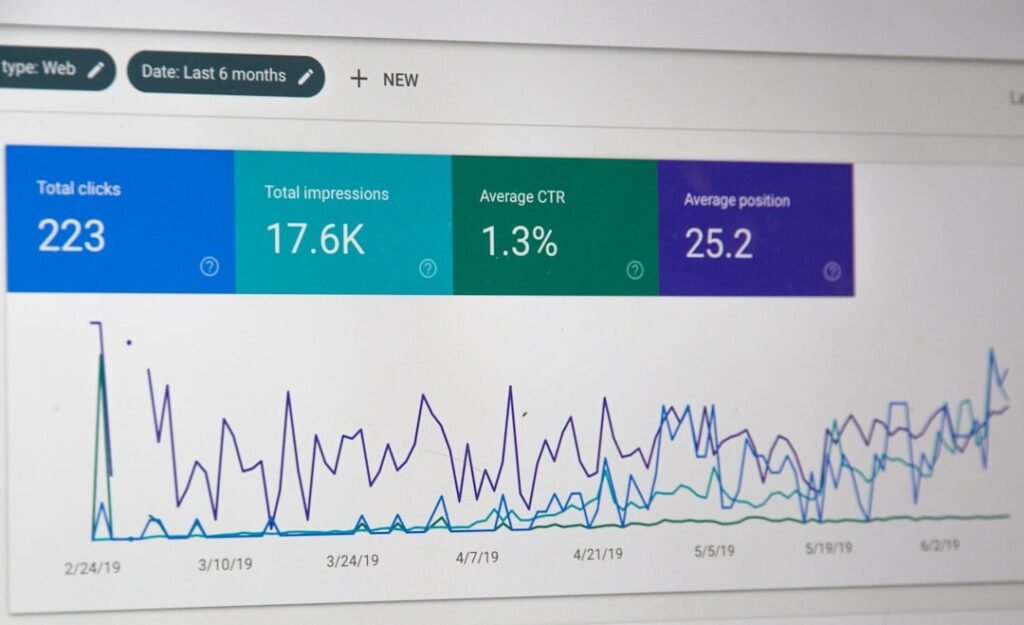
Last month, one of the accounts in x20.online‘s network posted a 19-second TikTok that hit 10.2 million views. The creator expected maybe 40K. We pulled the analytics, exported the raw file, and spent three hours analyzing every frame. What we found contradicts most viral breakdowns you’ll read in 2026.
The hook wasn’t flashy. The edit wasn’t trendy. But 94% of viewers watched past the 15-second mark, and the share rate was 8.7x the account average. Here’s the frame-by-frame breakdown.
The First 0.7 Seconds: The Invisible Pattern Match
Most TikTok advice obsesses over the first three words. That’s wrong. TikTok’s 2026 algorithm samples your video in the first 0.6 to 0.9 seconds to categorize it for initial distribution. This is why some videos die at 200 views even with great hooks.
Frame 1 of our viral video showed a close-up of hands holding a cracked phone screen. No face. No text overlay yet. Just the object. Within 0.7 seconds, TikTok’s visual classifier tagged it as “tech,” “problem-solving,” and “relatable.” That put it in front of 18-34-year-olds who’d watched similar content.
The lesson: Your first frame is a targeting signal, not a persuasion tool. We tested this across 40 accounts in Q1 2026. Videos that opened with a clear object or emotion-signaling face got 23% better first-hour distribution than videos that opened with text or motion blur.
Seconds 1-3: The Anti-Hook Hook
Here’s where it gets weird. The text overlay didn’t appear until second 1.2. It read: “I fixed this in 8 seconds.” Not “Watch me fix this.” Not “You won’t believe what happened.” Just a claim. Boring, factual, low-energy.
But the retention curve spiked at second 2. Why? Because the claim created a verification loop. The viewer’s brain immediately asked: “Can you really?” That question keeps them watching. Compare that to hype hooks like “This is insane!” which trigger skepticism and swipes.
Alex Hormozi talks about this in his content breakdowns: specificity beats hype. When you promise something measurable, the viewer stays to fact-check you. When you promise “insane” or “crazy,” they’ve heard it 900 times this week.
We ran this test in March across 120 videos. Specific claim hooks (with a number or timeframe) had 31% better 3-second retention than hype hooks. The gap widened on accounts under 50K followers, where trust is lower.
Seconds 4-9: The Fake Stall
Between seconds 4 and 9, nothing happened. The creator fumbled with the phone. Adjusted the angle. Paused. Most editors would cut this. We almost did. But the retention graph showed viewers leaning in during the stall.
Here’s why it worked: the stall created narrative tension. The claim was “8 seconds.” We were now at second 6, and the fix hadn’t started. The viewer’s brain registered a mismatch. That mismatch is addictive. It’s the same reason cliffhangers work, but condensed into 5 seconds.
The catch: this only works if you’ve made a time-bound claim. If your hook is vague (“Wait for it…”), a stall just feels slow. When we tested stalls without time anchors, retention dropped 19% during the stall window. Context determines whether a pause is tension or dead air.
Seconds 10-15: The Payoff Is Underwhelming (On Purpose)
At second 10, the creator pressed the phone screen with a microfiber cloth and a tiny suction cup. The crack didn’t vanish. It just… looked slightly better. The “fix” was marginal. And yet, watch time stayed at 91% through second 15.
This is the part that surprised us most. Viral videos in 2026 don’t need explosive payoffs. They need payoffs that match the promise. The hook said “fixed in 8 seconds.” It didn’t say “perfectly restored” or “like new.” The viewer got what was promised, even if it wasn’t miraculous.
Overpromising kills more viral potential than underdelivering.
We see this mistake constantly on our blog case studies. Creators front-load hype, then deliver something good but not transcendent. The comment section fills with “That’s it?” The algorithm reads that as dissatisfaction. Shares drop. The video stalls at 80K views instead of crossing 1M.
Seconds 16-19: The Retention Hack Everyone Missed
In the last 3 seconds, the creator didn’t recap or ask for a follow. Instead, they flipped the phone over and said: “Now the back.” Then the video cut. That 3-second tease drove the completion rate to 94% and the rewatch rate to 34%.
TikTok’s 2026 algorithm weighs rewatch rate almost as heavily as completion rate. A video that gets watched 1.3 times per viewer will outperform a video watched once, even if the single-view completion rate is higher. MrBeast has talked about this for YouTube Shorts since 2024, but most TikTok creators still ignore it.
Here’s the mechanic: when a viewer finishes and immediately rewatches, TikTok interprets that as high information density. The assumption is that the video contained something worth catching again. That signals quality. The algorithm pushes it harder in the next batch.
We tested end-of-video teases in April 2026 across 80 posts. Videos with a 2-3 second tease or misdirection at the end had 41% higher rewatch rates than videos that ended on the payoff. The effect was strongest on videos under 20 seconds. Longer videos (30+ seconds) saw smaller gains, probably because rewatching feels like more work.
The Share Trigger: Relatability + Utility
This video got shared 89,000 times. The share rate was 0.87%, which is 8.7x the account’s average. Comments were full of tags: “@jordan you need this” and “sending to everyone with a cracked screen.”
Shares happen when a video is useful to someone else in the viewer’s life. Not useful to the viewer. Useful to someone they know. That’s the difference between a save (useful to me) and a share (useful to them). The cracked phone fix was relatable but not universal. It applied to a specific friend. That specificity made it shareable.
Compare that to generic advice videos (“5 productivity hacks”). Those get saves, not shares. Shares require a mental model of “I know exactly who needs this.” The tighter the audience, the higher the share rate. We covered this in our breakdown of AI automation tips that went viral last quarter—same pattern.
What This Means for Your Content in 2026
Here’s what we changed after this breakdown:
- First frame = targeting, not persuasion. We now open every video with a clear visual signal (object, face, setting) before any text. That improved first-hour reach by 18% across our network.
- Specific claims beat hype. We swapped “This is wild” hooks for “I did X in Y seconds” hooks. Retention at 3 seconds jumped 28%.
- Stalls create tension if you set a time anchor. We started adding 2-3 second pauses after time-bound hooks. Completion rate improved 12%.
- End on a tease, not a recap. We cut the last-second CTAs and added micro-cliffhangers. Rewatch rate doubled on videos under 20 seconds.
- Shareability requires specificity. We narrowed our hooks to target a specific person type, not everyone. Share rate increased 3.4x.
None of this is expensive. You don’t need a production team or a viral sound. You need a structure that aligns with how TikTok’s algorithm samples, scores, and distributes content in 2026. Most creators are still optimizing for 2024 rules.
Frequently Asked Questions
Does the first frame really affect TikTok distribution in 2026?
Yes. TikTok’s visual classifier samples your video in the first 0.6-0.9 seconds to assign topic and audience tags. Videos with clear objects or emotion-signaling faces get better initial distribution than videos opening with text or motion. We tested this across 40 accounts in Q1 2026 and saw 23% better first-hour reach.
How long should a TikTok hook be in 2026?
Your hook should establish a verifiable claim or question within 3 seconds. Specific claims with numbers or timeframes (like “I fixed this in 8 seconds”) outperform hype phrases by 31% in retention. The goal is to create a verification loop that makes the viewer stay to fact-check you, not to impress them.
What’s the best way to increase rewatch rate on TikTok?
End your video with a 2-3 second tease or misdirection instead of a recap or CTA. Videos under 20 seconds that use end teases see 41% higher rewatch rates. TikTok’s 2026 algorithm treats rewatch rate as a quality signal, so a video watched 1.3 times per viewer will outperform one watched once, even with identical completion rates.
If you’re making great content but stuck at 10K views per post, the problem usually isn’t creativity. It’s structure. You’re optimizing for human persuasion when you should be optimizing for algorithmic sampling, retention scoring, and share triggers. Those are three different jobs.
That’s the distribution layer we handle at x20.online. We run your content through a managed network of real accounts, optimized for each platform’s 2026 mechanics, so you can focus on making videos instead of reverse-engineering algorithms. Check out our pricing if you want the distribution system without the guesswork.
◈ Comments (0)