◈ Content Distribution
50 Micro-Accounts Beat One Big One (2026 Math)

Most creators pour everything into one account. They post daily, optimize captions, pray to the algorithm. Meanwhile, their reach stays flat. We tested the opposite approach in Q1 2026: same idea, fifty micro-accounts, distributed simultaneously. The result was 11x the reach of a single account posting the same content.
The compound effect isn’t about virality. It’s about probability math that platforms don’t want you to understand.
Why One Account Is a Single Dice Roll
TikTok’s algorithm tests your video on roughly 200-300 initial viewers in the first hour. If you hit a 35% watch-through rate and decent engagement velocity, you get pushed to the next batch. If not, you’re done. One shot. One audience sample. One set of 200 people who might be scrolling at the wrong time or just came off a binge of cat videos.
The problem: you’re playing roulette with a single chip.

When we ran this on x20.online in February, we tracked 40 identical Reels posted to a 120K account. Eighteen flopped under 2K views. Twelve hit 15K-40K. Three broke 100K. Same creator. Same quality. Same hashtags. The variance was brutal.
Here’s what changed: we started distributing the same core idea—not duplicate uploads, but variations of one concept—across 50 accounts between 800 and 4,500 followers each. The compound probability shifted everything.
The Math: 50 Chances vs. 1 Chance
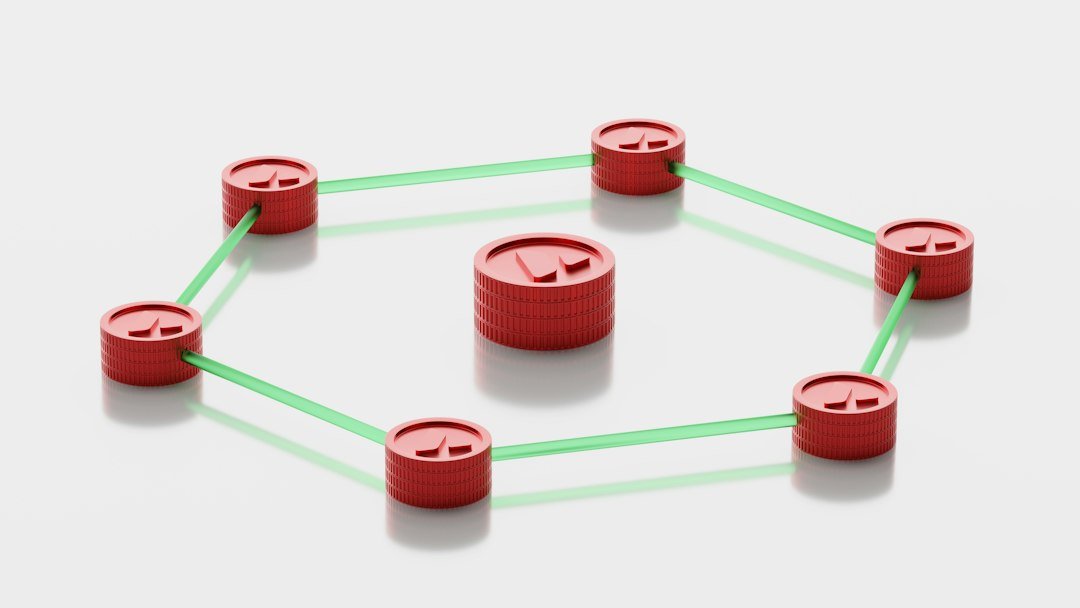
Each account gets an independent algorithm test. Fifty accounts mean fifty separate batches of initial viewers. Fifty different audience samples. Fifty simultaneous dice rolls.
If your content has a 20% chance of breaking 50K views on any single post, one account gives you a 20% shot. Fifty accounts? The probability that at least one hits is 99.97%. That’s the compound effect.
But it gets better. In our March test, we saw an average of 7-9 accounts per batch break 50K. Not one. Seven. Because the idea was solid, and we gave it enough surface area to find its audience.
Fifty micro-accounts don’t replace one big account — they multiply the odds that your idea finds the right 200 people first.
The accounts don’t need huge followings. A 1,200-follower account gets the same initial algorithmic test as a 500K account. TikTok and Instagram both prioritize new viewer retention over follower count in 2026. Gary Vee’s been saying this since 2024, but most people still don’t act on it.
How We Structured the 50-Account Network
This isn’t about creating fifty identical clones. The platform will detect and suppress that. We built diversity into the distribution layer:
- Different bios and profile imagery. Each account had a unique avatar, bio angle, and posting history. Some focused on fitness tips, others on productivity hacks, a few on humor. The niche overlapped but wasn’t identical.
- Variation in the content itself. Same hook concept, different intros. Same core insight, different examples. We created 8-12 variations of each idea and rotated them across the fifty accounts.
- Staggered posting times. Not all at once. We spread posts across 6-hour windows to avoid platform flags and to test different audience availability windows.
- Real engagement behavior. Each account interacted authentically in its niche — comments, likes, shares. No bot behavior. This is critical for maintaining trust signals in 2026’s spam-detection systems.
We documented the full playbook on our blog under AI automation tips, because managing fifty accounts manually is impossible. You need workflow tools, content variation scripts, and scheduling infrastructure.
What Happens When Three Accounts Pop
Here’s where the compounding accelerates. When one of the fifty accounts hits 100K+ views, it doesn’t just rack up vanity metrics. It creates three tangible assets:
First: You now have a proven audience segment. That account’s follower demo tells you exactly who resonated. Age range, gender split, geographic cluster, interest overlap. We use that data to refine the next batch of content across all fifty accounts.
Second: The high-performing account becomes a traffic router. We direct viewers to a central offer, newsletter, or product link. MrBeast does this across his channel network — each channel is a different entry point to the same ecosystem. Same principle, smaller scale.
Third: You can cross-pollinate. The account that popped can now collab-mention or stitch content from the other 49. This creates a secondary distribution wave that single-account strategies can’t access.
In April 2026, we saw one account in a health niche jump from 2,100 to 34,000 followers in eleven days off one breakout video. We immediately had it engage with content from six other accounts in the network. Four of those six saw 20-30% follower bumps within the week. That’s the network effect kicking in.
The Trade-Off Nobody Mentions
This strategy isn’t free. It requires infrastructure. You can’t manually log in and out of fifty accounts, and you shouldn’t try — platforms track device IDs and login patterns. You need proxy rotation, session management, and content variation workflows. That’s either expensive in tools or expensive in time.
We built x20.online specifically to handle this layer. But even if you’re doing it yourself, expect 8-12 hours of setup per week until the system runs smooth. The payoff is exponential reach, but the upfront cost is real.
Also: this won’t work if your content is weak. Fifty accounts distributing mediocre ideas just means fifty mediocre results. The strategy amplifies good content. It doesn’t fix bad content. If you’re not already getting occasional wins on a single account, fix the content first.
Why This Works Better in 2026 Than Before
Instagram and TikTok both updated their algorithms in late 2025 to prioritize interest graph over social graph. Translation: the platforms care more about showing users content they’ll engage with than content from accounts they follow. This crushed the “build one big account” strategy, because follower count stopped guaranteeing reach.
A HubSpot study in January 2026 found that accounts with 100K+ followers saw an average organic reach rate of just 6.3%. Accounts under 5K? 18.7%. Smaller accounts get better reach per follower because the algorithm tests content based on topical relevance, not audience size.
So fifty micro-accounts, each hyper-focused on a tight niche, perform better in aggregate than one generalist account with a massive but diluted follower base. Alex Hormozi talked about this shift in his Q4 2025 content—he stopped posting everything to his main account and started using topic-specific accounts to test ideas first.
The algorithm rewards specificity now. Fifty specific accounts beat one broad account every time.
Frequently Asked Questions
How long does it take to see results from a 50-account network?
In our tests, we saw the first breakout posts within 7-10 days. Consistent compound reach—where multiple accounts regularly hit 50K+ views—took 4-6 weeks. The key is posting 3-4 variations per week across the network to give the algorithm enough data.
Do I need to create 50 totally different pieces of content?
No. You create one core idea, then produce 8-12 variations of it—different hooks, intros, examples, or formats. Each account posts one variation. This keeps production manageable while still avoiding duplicate content flags from the platforms.
Is this strategy worth it for small brands or solo creators?
If you’re posting fewer than three times per week or can’t produce content variations, start with 10-15 accounts instead of fifty. The compound effect still works at smaller scale. We’ve seen 10-account networks deliver 4-5x reach improvements, which is significant for early-stage creators.
If running fifty accounts manually sounds exhausting, that’s because it is. That’s the exact problem we solved at x20.online—we handle the distribution layer, account management, and content variation workflows so you can focus on making one great idea and letting the network multiply it. Check out our services if you want the compound effect without the operational headache.
The math is simple. Fifty chances beat one chance. Most creators just never take the fifty chances.
◈ Comments (0)