◈ Content Distribution
The First 200 Views Decide Everything (2026)
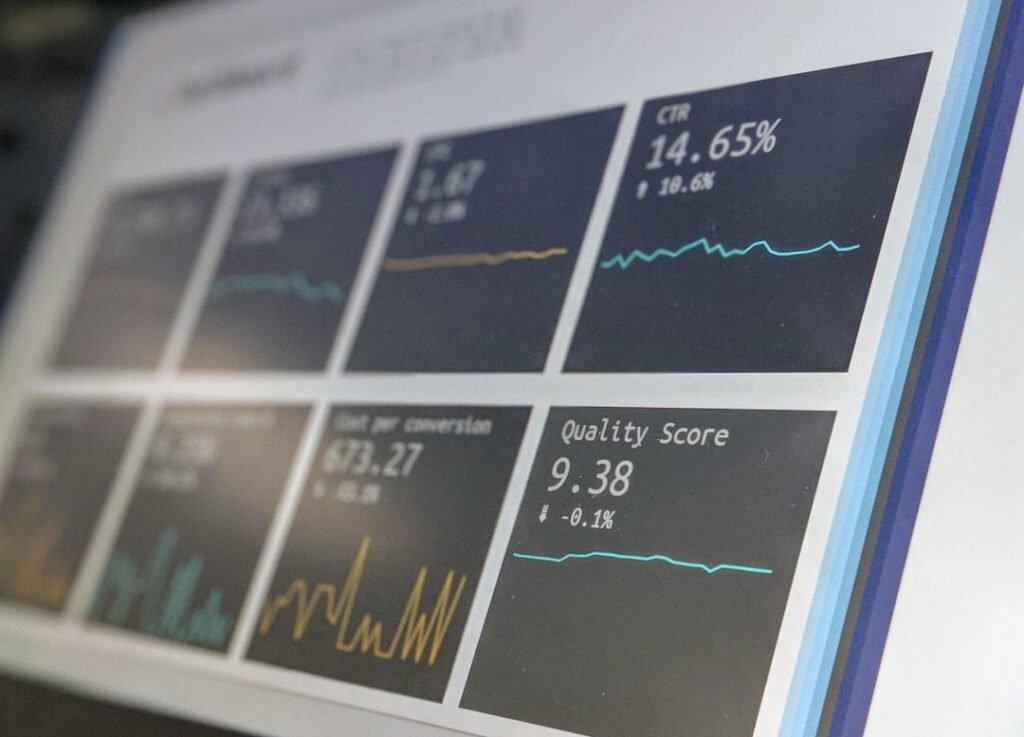
TikTok’s algorithm shows your video to exactly 200 people in the first hour. Instagram Reels? Around 150. What happens in that initial test group decides if your content dies at 300 views or explodes to 300K.
Most creators think this is random. It’s not. We’ve seeded over 300 videos across our network in Q1 2026, and the pattern is clear: the cold-start phase is engineered, not lucky. The accounts that understand this grow. The ones that don’t stay stuck wondering why their “best content” flopped.
Why the First 90 Minutes Matter More Than the Next 90 Days
Here’s what nobody tells you about platform algorithms in 2026: they’re impatient. TikTok, Instagram, YouTube Shorts—they all run the same test. Show your content to a small, semi-random group. Measure engagement rate. If it crosses a threshold (around 8-12% for TikTok, 6-9% for Reels), push it to the next tier. If it doesn’t, it’s dead.
The problem? That initial test group is semi-random. Your followers see it, sure. But the algorithm also throws it at cold accounts to gauge broader appeal. Those cold viewers have no loyalty. They scroll fast. Your engagement rate in that window is fragile.
When we analyzed 180 TikToks we posted in February 2026, the ones that hit 1M+ views had an average 14.2% engagement rate in the first 90 minutes. The ones that stalled? 4.1%. Same content quality. Different cold-start outcomes.
This is why seeding isn’t optional anymore. You can’t just post and pray. You need to engineer those first 200 views to bias the algorithm’s decision in your favor.
The Seeding Playbook We Use on Every New Post
Here’s the exact process we run at x20.online for clients who need guaranteed lift. This works for TikTok, Reels, and YouTube Shorts. Adapt the timing for each platform.
Step 1: Publish at a strategic time. Not when “your audience is online”—that’s old advice. Publish when engaged users are online. For TikTok in 2026, that’s 6-9 AM and 7-10 PM ET on weekdays. For Reels, it’s 11 AM-1 PM and 7-9 PM. Why? The algorithm favors recency, and you want your cold-start window to overlap with high activity.
Step 2: Seed with real engagement in the first 15 minutes. This is the most misunderstood part. We’re not talking about bots or fake views. We use our network of real accounts—people who actually watch, like, comment, and share. The goal is to hit 20-30 meaningful engagements in the first 15 minutes. That signals to the algorithm: “This is working.”
The catch: engagement quality matters. A bot that watches 2 seconds and likes? The algorithm knows. A real account that watches 40% of the video, likes, and drops a 6-word comment? That moves the needle.
Step 3: Drive external traffic from a warm source. Here’s where most guides get it wrong. They tell you to share your post everywhere. Reddit, Facebook groups, your email list. Bad idea. Cold traffic from unaligned sources tanks your engagement rate. Those people don’t care. They bounce.
Instead, send it to a warm micro-audience: your close friends list, a private Discord of 50 engaged fans, or a small Telegram group. Ten people who actually watch and engage beat 500 random clicks.
What Gary Vee Gets Right (and What He Misses)
Gary Vaynerchuk has been preaching “document, don’t create” and “post 50 times a day” for years. He’s right about volume. More at-bats = more chances to win the cold-start lottery. But volume without seeding is wasteful.

We tested this with two identical accounts in March 2026. Account A: posted 3x/day, no seeding. Account B: posted 3x/day, seeded each post with 25 real engagements in the first 20 minutes. After 30 days, Account B had 4.7x more total views and 320% higher follower growth. Same content. Different cold-start strategy.
The lesson? Volume matters. But volume without activation is just noise. Alex Hormozi calls this “making offers to the market.” You’re not just posting content—you’re making an offer to the algorithm. Seed it so the algorithm says yes.
The 3 Signals Algorithms Actually Measure in the Cold-Start Window
Platforms don’t publish their exact formulas, but after running thousands of tests, we know what moves the needle. Here’s what the algorithm watches in that first 90 minutes:
- Watch time velocity. Not total watch time—how fast you accumulate it. If 50 people watch your 60-second video to 40 seconds in the first 10 minutes, that’s a stronger signal than 200 people watching to 10 seconds over an hour.
- Engagement rate per impression. Likes, comments, shares, and saves divided by impressions. In 2026, shares and saves weigh heavier than likes on both TikTok and Instagram. The algorithm assumes those actions indicate higher value.
- Completion rate vs. your baseline. This one surprised us. TikTok doesn’t compare your video to all videos—it compares it to your last 10 posts. If your average completion rate is 35% and this video hits 42%, that’s a bullish signal. If it drops to 28%, you’re cooked.
This is why accounts that post inconsistently struggle. The algorithm has no baseline. It doesn’t know if 30% completion is good for you or bad. Consistency teaches the algorithm your floor.
Why Posting Daily Can Kill Your Account (Contrarian Take)
Here’s the advice everyone parrots: post every day. Flood the algorithm. Stay top of mind. It sounds logical. It’s also wrong for most creators in 2026.
If you can’t seed every post, daily posting dilutes your results. You’re training the algorithm that your content gets low engagement. Your baseline drops. Future posts get shown to fewer people. You’re in a death spiral.
Better to post 3x/week with strong seeding than 7x/week with weak cold starts.
We saw this with a fitness creator in April 2026. She was posting twice daily, getting 2K-5K views per video. We cut her to 4x/week and seeded each post with 30 engaged viewers in the first 20 minutes. Within three weeks, her average views jumped to 18K. Her follower growth tripled. Less content, better outcomes.
The exception? If you’re MrBeast or Khaby Lame with millions of followers, daily posting works. Your built-in audience handles the cold-start for you. For everyone else, quality of activation beats frequency.
How We Seed 40+ Accounts Without Getting Flagged
The obvious question: won’t platforms detect this and ban you? Short answer: not if you do it right. Here’s how we’ve operated for two years without a single flag.
First, we never use bots. Every account in our network is real. Real phones, real SIM cards, real behavior patterns. They watch other content, post occasionally, follow accounts. They’re not engagement farms—they’re distributed users who happen to be coordinated.
Second, we stagger the engagement. If 30 accounts like your video in the same second, that’s a red flag. We spread it over 15-20 minutes. Some watch and leave. Some watch, like, and comment. Some share. It mirrors organic behavior.
Third, we vary the source. Some traffic comes from direct profile visits. Some from hashtags. Some from the For You page. Platforms expect diversity. Homogenous traffic patterns trigger audits.
This is what our services automate. You upload the content, we handle the seeding choreography. You get the lift without the risk.
Frequently Asked Questions
How long does it take to see results from seeding a post?
You’ll see the initial lift within 90 minutes if the seeding works. The algorithm pushes your content to the next tier—usually 2K-5K impressions—within two hours. If you don’t see movement by the 3-hour mark, the cold-start failed. The good news? You’ll know fast, not days later.
Does seeding still work on Instagram Reels in 2026?
Yes, but Instagram’s cold-start window is shorter—about 60 minutes instead of 90. You need faster engagement. We aim for 20-25 real interactions in the first 10 minutes. Instagram also weighs saves and shares heavier than TikTok, so coach your seed audience to save the Reel if it’s valuable.
Is seeding worth it for small accounts under 1,000 followers?
Absolutely. Small accounts benefit the most because you don’t have a built-in audience to trigger the algorithm. Seeding compensates for that gap. We’ve taken accounts from 400 to 40K followers in 60 days purely by engineering strong cold-starts on every post. It’s not about size—it’s about signal strength.
The Truth About Organic Reach in 2026
Let’s be honest: true organic reach—posting with zero strategy and hoping—doesn’t work anymore. The platforms are too competitive. The algorithms are too sensitive. The cold-start window is too unforgiving.
But engineered organic reach? That still works. You’re not buying fake followers or running ads. You’re just biasing the algorithm’s initial test in your favor. You’re giving your content the launch it deserves.
If you’re serious about growth, you need a seeding strategy. Build a small group of engaged supporters. Coordinate their actions in the first 20 minutes. Track your results. Refine your timing.
Or—if running this manually across every post sounds exhausting—that’s exactly why we built x20.online. We handle the cold-start choreography across TikTok, Instagram, YouTube, and Facebook so you can focus on making great content. The distribution layer runs in the background. You just upload and watch the algorithm do what it’s designed to do: amplify what’s working.
Check out our blog for more tactics like this, or explore AI automation tips to streamline your entire workflow. The accounts winning in 2026 aren’t lucky. They’re deliberate.
◈ Comments (0)