◈ Content Distribution
Why Your First Viewers Decide Your Reach
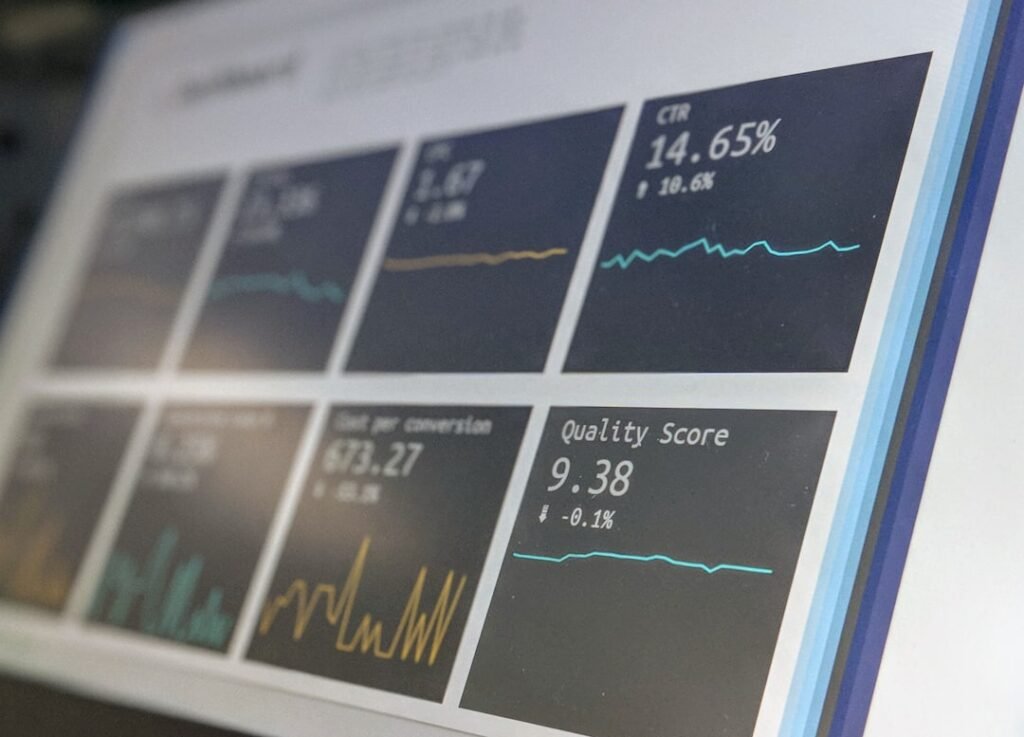
Every new short video starts with a small test. A handful of viewers see it first, and what they do next shapes how far it goes.
Most advice about this early window is about tricks. Get friends to like it fast. Join a pod. “Seed” the post with helper accounts. We think that’s the wrong focus. The first test rewards a video that holds strangers, not a crowd of helpers. You can’t fake your way through it for long. You can, though, stack the odds by giving each video a strong start and more than one shot.
How the First Test Actually Works
TikTok explained the basics in its post How TikTok recommends videos #ForYou. The system looks at how people interact with videos, at details of the video itself, and at some device and account settings. TikTok also wrote that follower count and past hits are not direct factors in what it recommends.
That’s good news for small accounts. A new video isn’t judged by who posted it. It’s judged by how its first viewers react.
Instagram works in a similar way. In Instagram Ranking Explained, Adam Mosseri wrote that the app predicts how likely you are to take certain actions. For Reels, he listed signals such as watching a reel all the way through, liking it and resharing it.
So the test isn’t a mystery box. It asks one plain question: do people who didn’t ask for this video keep watching?
What the First Viewers Tell the App
No platform publishes exact formulas or thresholds. So ignore anyone who quotes a precise “magic percentage” for the first hour. Here’s what the platforms do say matters, in plain terms:
- Watch time. The app notices whether people stay past the opening or swipe away in the first seconds.
- Finishing. When people watch a short video to the end, it sends a clear signal that the video held them.
- Shares and saves. These take more effort than a like, so they say more about value.
- Comments. A reply means the video gave someone something to say.
Now notice who these signals come from. Mostly strangers. The app wants to know if a video works for people who don’t already know you. A like from your cousin doesn’t answer that question.
Why “Seeding” With Helpers Backfires
The old playbook says to line up friends, pods or a network of accounts. They pile on likes and comments in the first minutes, and the app supposedly pushes the video further. Here’s why we’d skip it.
It breaks the rules. TikTok’s Community Guidelines ban fake engagement. Instagram’s Community Guidelines also ask people not to artificially collect likes, followers or shares. The risk is less reach or removed content, not a boost.
It also teaches the app the wrong audience. Helpers who aren’t your buyers send a muddy signal. If the video then goes to more people like them, those viewers won’t book your service.
And it doesn’t fix a weak video. If strangers swipe away, a few likes in minute three won’t hold the next wave.
Is it wrong to tell friends you posted something? No. Sharing a post with people who’d actually care is normal. The line is coordinated or fake activity: accounts set up to engage, like swaps, pods and paid likes.
You can borrow a few likes. You can’t borrow the attention of strangers.
What You Can Control Before You Post

Picture a bike repair shop with a 30-second video of fixing a flat tire. Here’s how it could give that video a better first test:
- Open on the problem. The first frame shows the flat tire, not a logo.
- Cut the warm-up. Start mid-action, with hands already on the wheel.
- Make it easy to finish. If it drags at second 20, end it at second 20.
- Give one reason to share. A line like “Send this to the friend who always rides on a flat.”
- Write a plain caption with words buyers search, like “flat tire fix Denver.”
Then, after posting, reply to the early comments with real answers. That’s honest engagement. It keeps the thread going and gives people a reason to come back.
Why “Just Post More” Isn’t the Whole Answer
The usual counter-advice is to post every day on your account. Volume does help, because each video is a new test. Still, one account posting daily gives each video exactly one test. It gets one first audience, at one hour, on one day.
If that first group was the wrong crowd, the video is mostly done.
Here’s where we disagree with the “just post more” crowd. The bigger lever isn’t more videos. It’s more independent tests of the videos you already have. Different accounts reach different first audiences at different times. A good video gets several chances instead of one.
That’s the idea x20.online is built on. You can see how x20.online works in detail. In short, we create and run TikTok, Instagram, YouTube and Facebook accounts and post a business’s existing videos on them daily.
The Limits Worth Knowing
Let’s be clear about what this can’t do. No method controls the algorithm. More tests give a good video more chances. They don’t turn a weak video into a strong one.
It also won’t help if you have no videos to post. And results vary a lot by niche. A comedy page and a dental clinic will never see the same numbers, and that’s fine.
For more on how feeds pick what to show, browse our blog. If making enough videos is your bottleneck, our AI automation tips cover ways to speed up editing and captions.
Frequently Asked Questions
How long does the first test last on TikTok?
TikTok doesn’t publish a fixed window, and it doesn’t share thresholds. A video can keep finding new viewers days after you post it. So don’t judge a post by its first hour alone. Check views and watch time after a day or two, then compare it with your other recent videos.
Is it against the rules to ask friends to watch my video?
Telling friends or customers about a new post is normal. What platforms ban is fake or coordinated engagement, such as pods, like swaps, paid likes and accounts set up only to interact. Those break TikTok and Instagram rules and can cost you reach. Share with people who’d genuinely care, and leave it there.
Does the first test matter for small accounts in 2026?
Yes, and in a helpful way. TikTok has said follower count isn’t a direct factor in its recommendations, so a small account’s video gets judged mostly on how viewers react. That means a strong opening and a clear payoff matter more than your follower number. Results still vary by niche and by video.
If you’d rather give each video several first tests than bet it all on one, that’s the part x20.online handles. One pack of 20 accounts costs $198 per month on our pricing page, and you can watch the accounts at work on our live statistics.
◈ Comments (0)