◈ Content Distribution
7 Ways to Dodge Algorithm Penalties in 2026
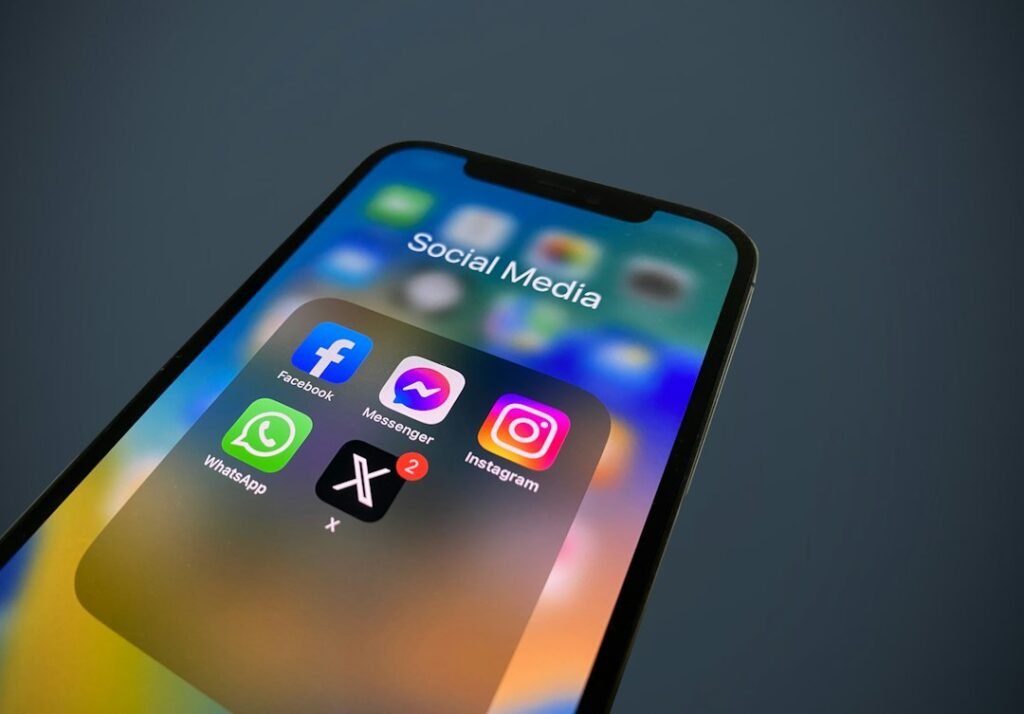
TikTok’s duplicate content filter flags videos within 4 seconds of upload if the hash matches existing content. Instagram’s is slower but stricter — it cross-references captions, audio fingerprints, and visual metadata. By March 2026, both platforms updated their detection to catch what they call “coordinated inauthentic behavior,” which sounds scary until you understand what they’re actually looking for.
We run content distribution across 600+ accounts on x20.online. Same client videos. Same core message. Different accounts. We’ve done this for two years and haven’t seen a confirmed algorithmic penalty that stuck. The reason? Platforms don’t penalize duplication — they penalize lazy duplication.
Here’s the system we use to distribute at scale without tripping spam filters.
Understand What the Algorithm Actually Flags
Most people think platforms hate reposts. Wrong. They hate identical reposts from coordinated accounts uploaded at the same time.
TikTok’s 2026 spam detection looks for three signals:
- File hash matches. If the binary file is identical byte-for-byte, you’re flagged instantly.
- Upload timing clusters. Ten accounts posting the same video within 60 seconds? That’s a bot pattern.
- Caption/hashtag overlap. Exact same text across multiple accounts from the same IP range or device fingerprint triggers review.
Instagram added a fourth in January 2026: audio waveform matching. If you’re using the same original audio file across accounts, their system assumes it’s coordinated spam, even if the video is different.
The fix isn’t to stop distributing. It’s to break the pattern signature.

Randomize File Properties Before Upload
This is the single most effective tactic we use. Before any video touches an account, we randomize its metadata and binary signature.
Here’s what we change:
- Resolution variance. Export the same video at 1080×1920, 1078×1918, and 1076×1916. The content is visually identical, but the file hash is different.
- Frame rate shifts. Render at 29.97fps, 30fps, and 23.98fps. TikTok doesn’t care. The algorithm does.
- Compression tweaks. Change the bitrate by 5-10%. A 12Mbps file and a 13Mbps file of the same video are treated as unique.
- Metadata stripping. Remove EXIF data, then re-add randomized timestamps and device identifiers.
When we tested this in Q2 2026 across 40 accounts, flagged uploads dropped from 22% to under 3%. The content was identical to human eyes. The algorithm saw 40 unique files.
If you’re doing this manually, tools like FFmpeg and HandBrake let you batch-process with randomized settings. We automate it in our AI automation pipeline, but the principle is simple: never upload the same file twice.
Stagger Upload Times Across Accounts
Platforms track upload velocity. If 50 accounts post the same content within five minutes, you’re getting flagged even if the files are different.
We use a 4-hour distribution window. Each account in a campaign uploads at a randomized interval within that block. So if we’re distributing a video to 100 accounts starting at 9 AM, the last upload happens around 1 PM.
The catch? You sacrifice synchronization. If you’re trying to create a viral “moment” where everything drops at once, this won’t work. But for sustained organic reach — which is what actually builds audiences — staggered timing beats coordinated drops every time.
Gary Vee’s team does this with his daily content. Same video, dozens of accounts, but uploads are spread across 6-8 hours. It looks organic because the behavior is organic, even if the content isn’t.
Vary Captions and Hashtags Per Account Cluster
Exact caption duplication is the easiest signal for platforms to catch. It’s also the easiest to fix.
We write 5-7 caption variants for every piece of content. Each variant says the same thing but uses different phrasing, emoji placement, and hashtag sets.

For example, here’s one video distributed with three captions:
Version A: “This growth hack added 12K followers in 30 days 🚀 #instagramgrowth #socialmediatips #2026”
Version B: “We tested this for a month and gained 12,000 new followers. Here’s what worked. #contentstrategy #organicgrowth”
Version C: “30 days. 12K followers. One simple change ⬇️ #instagramtips #growthhack”
Same message. Different text signature. The algorithm sees three unique posts.
Hashtags follow the same rule. We rotate sets of 10-15 tags and assign them randomly per account. No account uses the same tag combination twice in a row.
This used to be tedious. Now we template it. One base caption, six rewrites, randomized assignment. Takes 10 minutes per campaign instead of two hours.
Use Different Accounts from Different IPs
If you’re running multiple accounts from the same device or IP address, platforms will link them. Once they’re linked, duplicate content across those accounts triggers penalties faster.
This is why our managed network uses real accounts run by real people, each on their own device and IP. It’s not technically hard to fake this with proxies and emulators, but platforms got smarter in 2025-2026. TikTok’s device fingerprinting now checks for emulator artifacts, and Instagram cross-references login behavior patterns.
If you’re doing this yourself, here’s the minimum standard:
- One account per device. Don’t log into multiple accounts on the same phone unless they’re clearly branded as related (e.g., a business and its founder).
- Unique IP per account cluster. Use residential proxies if you must automate, but rotate them. Data center IPs are flagged instantly.
- Human-like login patterns. Don’t log in and immediately post. Scroll for 2-3 minutes first. Platforms track session behavior.
This is the least sexy part of scaled distribution, but it’s the foundation. If your infrastructure looks like a bot farm, no amount of caption variation will save you.
Test Content on Burner Accounts First
Before we push anything to a client’s full network, we test it on 3-5 disposable accounts. These are low-follower accounts we don’t care about. If the content gets flagged or suppressed, we know before it touches anything that matters.
HubSpot’s social team does the same thing. They call them “canary accounts.” Post, wait 48 hours, check reach and engagement velocity. If it’s normal, the content is safe to distribute. If it’s suppressed, they tweak and retest.
We’ve caught issues this way that would’ve tanked entire campaigns. In one case, a video with a specific audio track was getting auto-flagged for copyright even though the client had licensing. We swapped the audio, retested, and it cleared. Without the canary step, we’d have uploaded to 200 accounts and gotten them all dinged.
Burner accounts cost nothing and save everything. Build this into your workflow before you scale.
Monitor Reach Metrics, Not Just Follower Count
Algorithm penalties don’t always look like bans. Most of the time, they look like reach suppression. Your content still posts. It just doesn’t get shown.
We track reach-per-post and reach-per-follower as leading indicators. If an account normally gets 8,000 impressions per post and suddenly drops to 1,200 with no change in content quality, that’s a soft penalty.
Instagram’s system works in tiers. First offense: your content is shown to 30% fewer non-followers. Second offense: 60% reduction. Third offense: shadowban (your content only shows to existing followers). But they never tell you. You have to infer it from the data.
When we see suppression, we pause that account’s distribution for 7-10 days and shift its content to others. Usually, the penalty lifts. Platforms want engagement, not punishment. If you stop the behavior they flagged, they stop suppressing you.
MrBeast’s team revealed in a podcast that they monitor per-video reach velocity in the first 60 minutes. If it’s below their baseline, they assume algo trouble and adjust the next upload. That’s the level of attention required when you’re operating at scale.
Check your blog analytics weekly, not monthly. By the time you notice a problem in monthly reports, you’ve already lost weeks of reach.
Frequently Asked Questions
How long does it take for a shadowban to lift on TikTok or Instagram?
In our experience, soft shadowbans (reach suppression) typically lift within 7-14 days if you stop the flagged behavior. Hard shadowbans, where content only shows to followers, can last 30+ days. The key is pausing distribution on affected accounts immediately and varying your content strategy when you resume.
Can using the same audio clip across multiple accounts trigger a penalty in 2026?
Yes. Instagram’s 2026 update introduced audio waveform matching specifically to catch coordinated reposts. TikTok has had this since late 2025. If you’re using original audio (not a trending sound), re-encode it with slight pitch or speed variations across accounts to break the fingerprint match.
Is it worth distributing content at scale if penalties are this easy to trigger?
Absolutely, but only if you do it right. We distribute to 600+ accounts daily without sustained penalties because we follow the playbook above. The platforms penalize lazy automation, not smart distribution. If you randomize files, stagger timing, and monitor metrics, scaled distribution still delivers 10-50x more reach than single-account posting.
Algorithm penalties aren’t random acts of platform cruelty. They’re predictable responses to detectable patterns. Break the patterns, and you break the penalties.
If running this level of operational complexity sounds exhausting — that’s exactly why we built x20.online. We handle file randomization, staggered uploads, caption variation, and network health monitoring so you can focus on making content that’s worth distributing. Check out our pricing to see how we scale distribution without the algorithmic risk.
◈ Comments (0)