◈ Content Distribution
Build a Distribution Pipeline: 1 to 100 Platforms
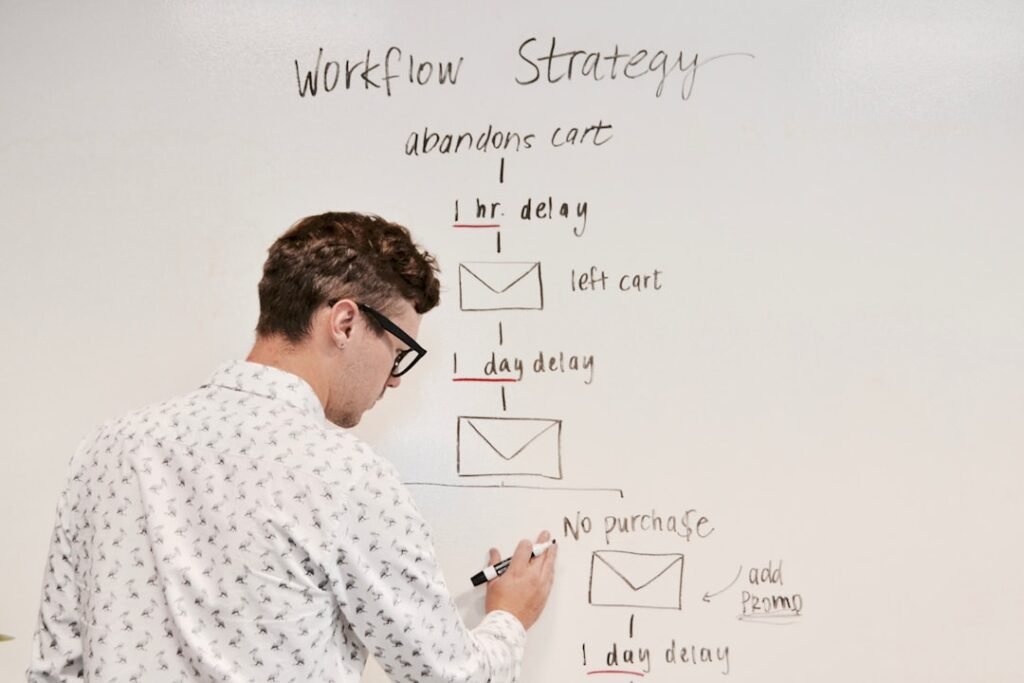
Most distribution strategies break at seven platforms. We’ve seen it a hundred times: a creator gets momentum on TikTok and Instagram, adds YouTube Shorts, tries Twitter, experiments with LinkedIn—and then everything collapses. The content quality drops. Posting becomes irregular. Engagement tanks across the board.
The problem isn’t time management. It’s architecture. You can’t scale a manual process by working harder. You need a distribution pipeline that treats content like a manufacturing line, not a craft project.
In Q2 2026, we took our internal network from 8 managed platforms to 112. Not by hiring an army of VAs. By rebuilding how content moves from creation to publication. Here’s the exact system.
Why Most Distribution Models Fail After Platform Five
Let’s get specific about where the breakdown happens. When you’re posting to three platforms, you can brute-force it. Record once, manually upload three times, write custom captions. Takes 20 minutes. Annoying but doable.
At five platforms, you’re spending 45 minutes per post. You start skipping platforms. You tell yourself “Instagram is my main audience anyway.” That’s the beginning of the end.
By seven platforms, you’re spending 90 minutes on distribution alone. The math doesn’t work. So you either quit expanding or you hire help—which introduces a new problem. Now you’re managing people, not platforms.
The real issue? You’re treating distribution as a creative task when it’s actually an operational one. Creative work doesn’t scale linearly. Operations do. Once we made that mental shift in early 2026, everything changed.
The Three-Layer Pipeline Architecture We Use
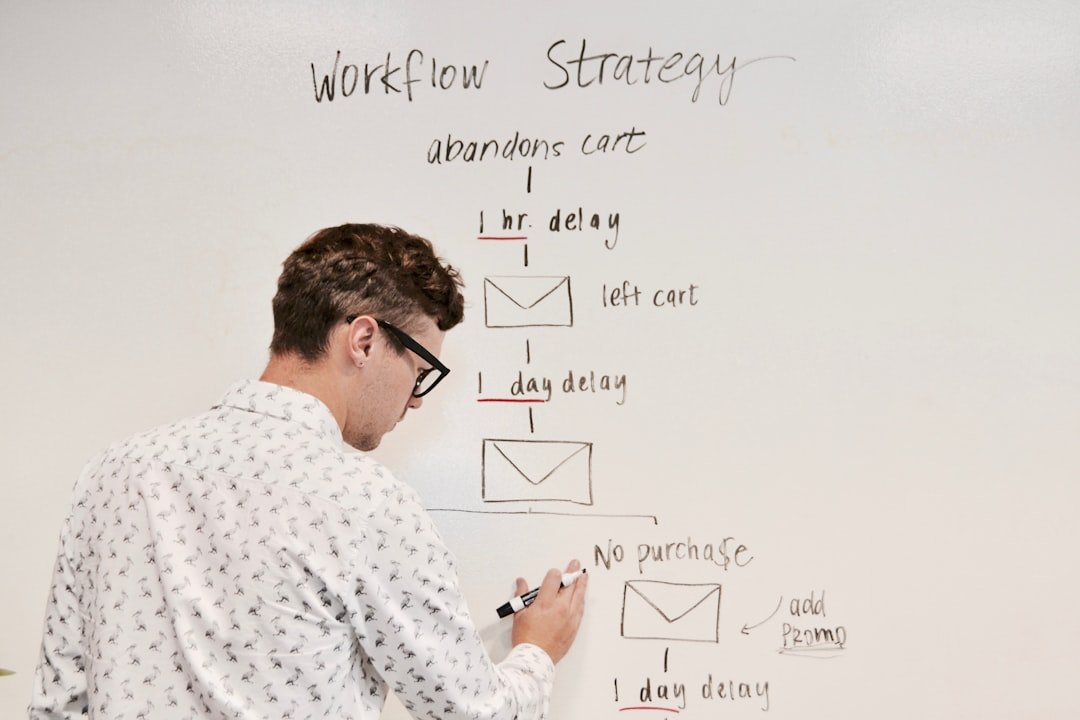
Our pipeline has three distinct layers. Each one solves a specific scaling constraint. Miss one layer and you hit a ceiling fast.
Layer 1: Content Normalization (The Formatting Factory)
Every platform has different specs. Instagram Reels want 9:16 at 1080×1920. YouTube Shorts technically accept the same ratio but perform better at 1080×1920 with specific title lengths. TikTok prioritizes native uploads over cross-posts. Facebook still exists and people still use it, somehow.
Most teams handle this per-post. That’s the mistake. We built a normalization layer that processes each raw video file into seven standard variants automatically:
- 9:16 vertical (1080×1920) with burned-in captions, no watermark.
- 9:16 vertical with dynamic captions (platform overlays), logo watermark bottom-right.
- 1:1 square (1080×1080) for feed posts and LinkedIn.
- 16:9 horizontal (1920×1080) for YouTube main feed and Facebook.
- 4:5 portrait (1080×1350) for Instagram feed optimization.
- TikTok-native export with metadata preserved (critical for algorithm favorability).
- Thumbnail extraction at 3-second, 5-second, and peak-motion frames.
This happens once per source file. We use a combination of FFmpeg scripts and Remotion for dynamic captions. The whole batch processes in under four minutes for a 60-second video. Now one piece of content becomes seven deployment-ready assets with zero manual resizing.
Layer 2: Platform-Specific Metadata Templates
Here’s what kills scale: rewriting captions for every platform. You can’t just copy-paste. Instagram wants 3-5 hashtags in 2026 after their algorithm shift. TikTok captions perform best under 150 characters with 1-2 hashtags max. LinkedIn needs a hook in the first 140 characters because of feed truncation. YouTube Shorts descriptions should include your main channel link but Instagram bans outbound links in captions.
We don’t rewrite. We template. Every content brief includes five fields:
- Core hook: One sentence, under 100 characters. This is the universal attention-grabber.
- Value prop: What the viewer gets. Two sentences max.
- CTA: The action we want. Platform-agnostic (e.g., “Try this” not “Link in bio”).
- Keywords: 5-7 topic tags, not hashtags yet.
- Context note: Any platform-specific callout (e.g., “LinkedIn: frame as career advice”).
Then we have template scripts that generate platform-specific captions. The Instagram template pulls the hook, adds two line breaks for feed readability, inserts the value prop, reformats keywords into 3-5 hashtags based on current performance data, and appends the CTA. The TikTok template pulls the hook, appends one trending hashtag, done. LinkedIn gets the hook reframed as a question, the value prop expanded into a mini-story, and keywords woven into natural sentences.
One input. Seven outputs. No rewrites.
Layer 3: Scheduled Distribution Queue with Timing Intelligence
You can’t post to 100 platforms simultaneously. The platforms flag it as spam. Your engagement gets suppressed. We learned this the hard way in March 2026 when we tried to launch a client across 40 accounts at once. Reach dropped 60% in week two.
The fix: staggered deployment based on platform-specific timing windows. We built a queue system that:
- Posts to TikTok first (9 AM local time for each account’s primary geo).
- Waits 90 minutes, then posts to Instagram Reels (algorithm favors mid-morning in 2026).
- Waits another 60 minutes, posts to YouTube Shorts (early afternoon performs best per our data).
- Releases Facebook, LinkedIn, and Twitter in a 30-minute window afterward.
- Holds Pinterest and secondary platforms for next-day posting to avoid saturation.
Each platform gets posted during its optimal window. No two posts from the same source go live within 45 minutes of each other. The algorithm sees them as independent pieces of content, not spam.
The Tooling Stack (What We Actually Use in 2026)
People always ask about tools. Here’s our exact stack as of mid-2026. Note: we’ve tried everything. This is what survived.
Content normalization: FFmpeg for video processing (free, scriptable, fast). Remotion for dynamic captions and brand overlays (React-based, version-controllable). We tried Descript and CapCut’s API—both too slow at scale.
Metadata generation: Custom Node.js scripts pulling from Airtable. We tried Zapier and Make.com. Both hit rate limits after 50 platforms. Built our own.
Scheduling and publishing: This is the controversial part. We don’t use Buffer, Hootsuite, or Later. They’re built for marketers managing five accounts, not growth operators running 100. We use a combination of Publer Pro (handles 100+ accounts, solid API, cheap) and direct platform APIs for TikTok and YouTube (better deliverability). For Instagram, we use Publer’s mobile notification system—Instagram’s API still doesn’t support true auto-posting for Reels without Business account restrictions.
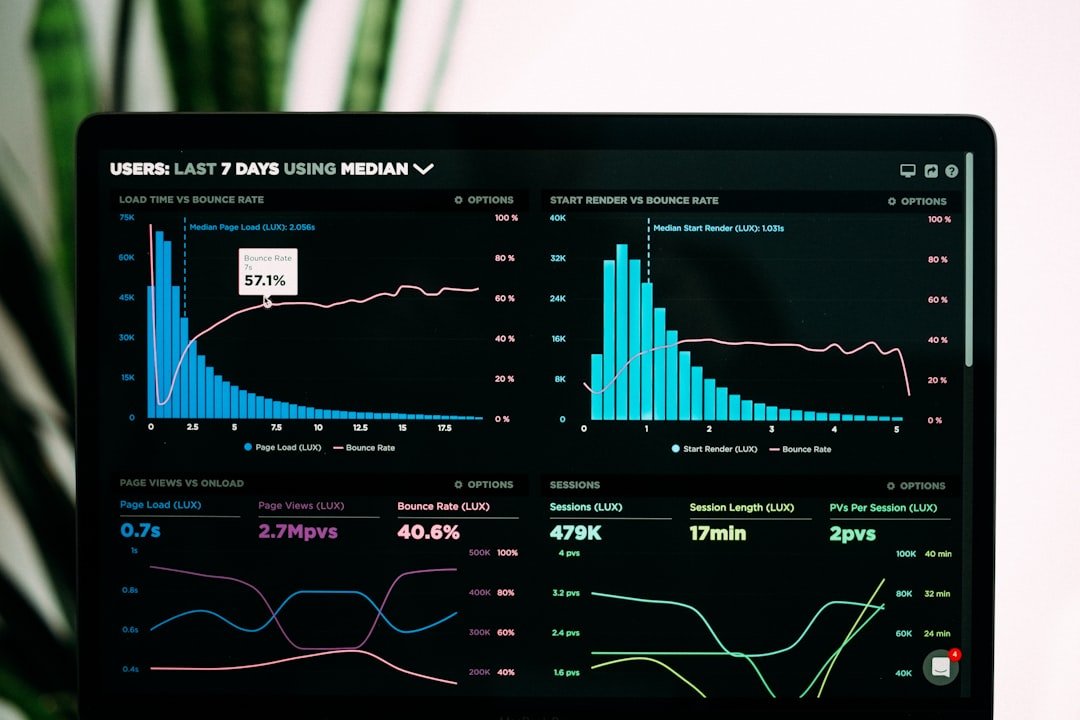
Analytics aggregation: We pull data into Supermetrics, dump it into a Google Sheet with Apps Script transformations, and visualize in Looker Studio. Tried Dashthis and Reportz. Both choked on our account volume.
Total monthly cost for tooling: $447. That’s handling 112 platforms and roughly 800 posts per week. The ROI is absurd.
The Constraint Nobody Talks About: Account Infrastructure
Here’s the part most guides skip. You can build the perfect pipeline, but if you don’t have the accounts, you’re stuck. And platforms really don’t want you running 100 accounts. Instagram will ban you. TikTok will shadowban you. YouTube will demonetize you.
This is the single biggest bottleneck we see with clients trying to scale distribution themselves. They hit 10 accounts and start getting verification loops, phone number requests, and suspicious activity flags. Their growth stalls.
We solved this by building a network of aged, organically-grown accounts over three years. Each account has unique device fingerprints, IP addresses, and posting history. They’re not bots. They’re real profiles managed by real devices on residential IPs. When we distribute content, it looks like 100 different creators posting similar content—not one creator spamming.
If you’re building this yourself, you have two paths. Path one: grow accounts slowly over 12-18 months. Post organic content. Build small followings. Then repurpose them for distribution. Path two: partner with a service that already has the infrastructure. That’s the whole thesis behind x20.online—we spent years building the account layer so you don’t have to.
The pipeline is only as strong as the account infrastructure underneath it. Perfect automation on flagged accounts gets you nowhere.
How to Build Your First 10-Platform Pipeline This Month
Let’s make this concrete. You don’t need to jump to 100 platforms next week. Here’s how to build your first functional pipeline with ten accounts by end of May 2026.
Week 1: Set up your normalization layer. If you’re non-technical, use CapCut’s desktop app with saved export presets. Create seven presets matching the specs I listed earlier. Export once, get seven files. Manual but repeatable.
Week 2: Build your metadata template in a Google Sheet. Columns: Core Hook, Value Prop, CTA, Keywords, Context. Rows: each piece of content. Add ten more columns for platform-specific captions. Write formulas that concatenate the base fields into platform formats. You can do this with basic =CONCATENATE() functions.
Week 3: Set up Publer or Buffer (whichever fits your budget). Connect your first ten accounts: two TikTok, two Instagram, two YouTube, two Facebook, one LinkedIn, one Twitter. Add them all under one workspace.
Week 4: Create your first staggered post schedule. Use your metadata sheet to generate captions. Upload your normalized video files. Schedule posts 60-90 minutes apart. Hit publish. Track what happens.
You’ll immediately see which platforms perform and which don’t. Double down on winners. Replace losers. Iterate. By month two, you’ll be ready to add ten more accounts. By month four, you’ll hit 30-40. The pipeline scales itself once the foundation is solid.
We documented a lot of this process in our AI automation tips section—especially the scripting and API parts. If you’re technical, you can build a lot of this yourself. If you’re not, the principles still apply. You’re just using no-code tools instead of scripts.
What Changes When You Hit 50+ Platforms
The pipeline that works for ten accounts starts to crack at fifty. New constraints emerge. Here’s what we had to add when we crossed that threshold in April 2026.
Account health monitoring: With ten accounts, you notice when one gets flagged. With fifty, you don’t. We built a daily health check that pings each account’s API, checks for verification requests, monitors reach drops over 30%, and flags anomalies. Automation is great until an account gets shadow-banned and keeps posting into the void for three weeks.
Content variation: Posting the exact same video to fifty accounts triggers cross-platform detection. Instagram and TikTok share parent company data now. We add micro-variations—different thumbnails, slightly different caption hooks, 2-3 second intro/outro swaps. The content is the same. The fingerprint isn’t.
Performance segmentation: At ten accounts, you can eyeball what’s working. At fifty, you need segmentation. We tag accounts by niche, follower size, and engagement rate. A wellness account and a finance account shouldn’t get the same content. The pipeline needs logic: “If account.niche == ‘finance’, use template B. Else use template A.”
These aren’t beginner problems. But if you’re scaling past twenty platforms, you’ll hit them. Plan for it now.
The Contrarian Take: You Don’t Need 100 Platforms
Here’s the part where I disagree with my own premise. Just because you can scale to 100 platforms doesn’t mean you should. We do it at x20.online because distribution volume is our product. For most creators, it’s overkill.
If you’re a solo creator or small brand, 15-25 high-quality accounts will outperform 100 mediocre ones. Quality still matters. A pipeline that posts garbage to 100 platforms just makes 100 pieces of garbage.
The right number depends on your goals. If you’re trying to hit 1M views per month, you probably need 30-50 platforms. If you’re trying to hit 10M, you need 80-100. If you just want consistent 100K monthly reach, ten well-chosen accounts and solid content will get you there.
Scale the pipeline to match your goal, not your ego. We’ve seen creators burn out trying to manage 60 platforms when 20 would’ve delivered the same result with half the complexity.
Frequently Asked Questions
How long does it take to build a 50-platform distribution pipeline?
If you’re starting from scratch, plan for three to four months. Month one is tooling and templates. Month two is adding your first 15 accounts and testing the workflow. Month three is scaling to 30-40 and fixing what breaks. Month four is optimizing and pushing to fifty. The infrastructure takes longer than the process itself.
Does posting the same content to 100 platforms hurt SEO or algorithmic reach?
Not if you do it right. Platforms don’t penalize cross-posting anymore—they penalize obvious cross-posting. Add micro-variations in captions, thumbnails, and timing. Use different account identities. The algorithm sees independent posts, not duplicates. We’ve tested this extensively in 2026 with no reach suppression when done properly.
Is a multi-platform pipeline worth it for accounts under 10K followers?
Yes, but start smaller. You don’t need 100 platforms at 5K followers. Build a 10-platform pipeline. The process teaches you what content works where. You’ll find unexpected wins—like a finance creator discovering their TikTok flops but their LinkedIn posts explode. Distribution diversity reduces platform risk and reveals hidden audience pockets early.
If the idea of building this from scratch sounds exhausting—good. It should. That’s exactly why we built x20.online. We handle the entire distribution layer: the accounts, the pipeline, the posting, the monitoring. You make the content. We make sure millions of people see it. Check out our pricing if you want the infrastructure without the engineering project.
The creators and brands winning in 2026 aren’t the ones making better content than you. They’re the ones getting their content in front of more people. Distribution is the bottleneck. Build the pipeline, and the growth follows.
◈ Comments (0)