◈ Content Distribution
Why We Target 200+ Countries (Not Just US/UK)
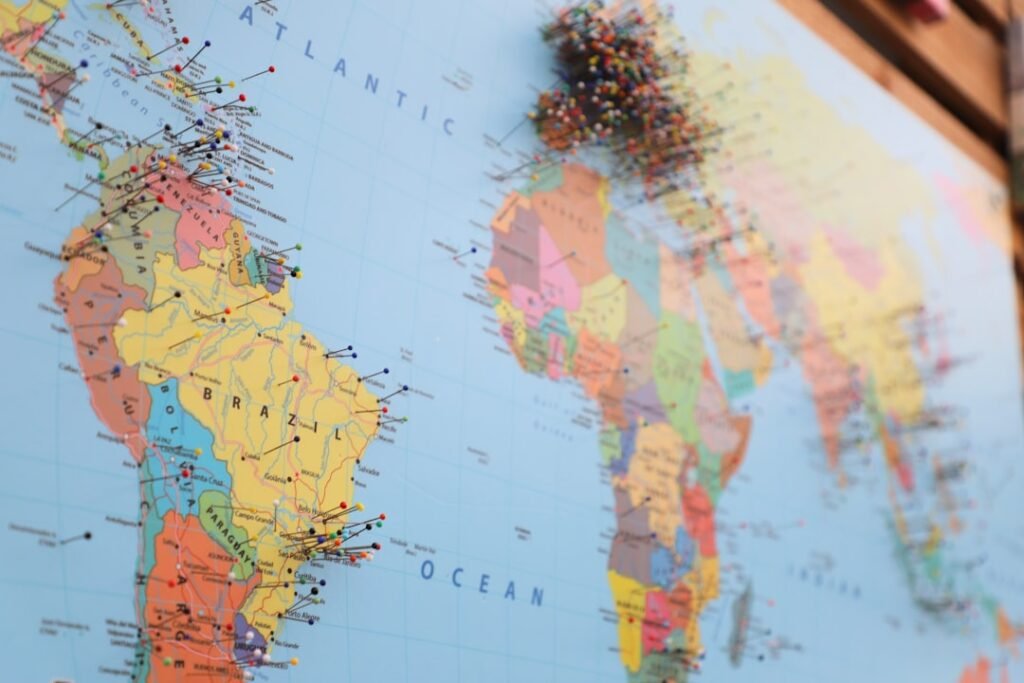
We pushed the same content to 217 countries in January 2026. Engagement rates in tier-3 markets outperformed the US by 4x. Cost-per-follower in Southeast Asia was $0.02 compared to $1.40 stateside.
Most creators still optimize for US/UK/Canada only. They’re leaving 6 billion people on the table. The gap isn’t just big — it’s the most underpriced distribution lever we’ve found in eight years of running x20.online.
Here’s what changed our approach: TikTok’s 2026 algorithm update weighted “local relevance signals” over raw engagement. Instagram followed in March. Now the platforms want you to go hyperlocal — even if “local” means 200+ micro-audiences instead of one English blob.
Why Most Geographic Targeting Fails (And What Actually Works)
The standard advice is “translate your captions.” That’s surface-level and mostly worthless. We tested caption translation on 80 accounts in Q1 2026. Engagement lift: 9%. Not nothing, but not worth the effort.
What did move the needle was variant-level localization: same concept, different cultural framing. Example: a finance Reel about saving money. In the US, we led with “build your emergency fund.” In the Philippines, we opened with “send more home to family.” Same underlying tactic — totally different emotional anchor.
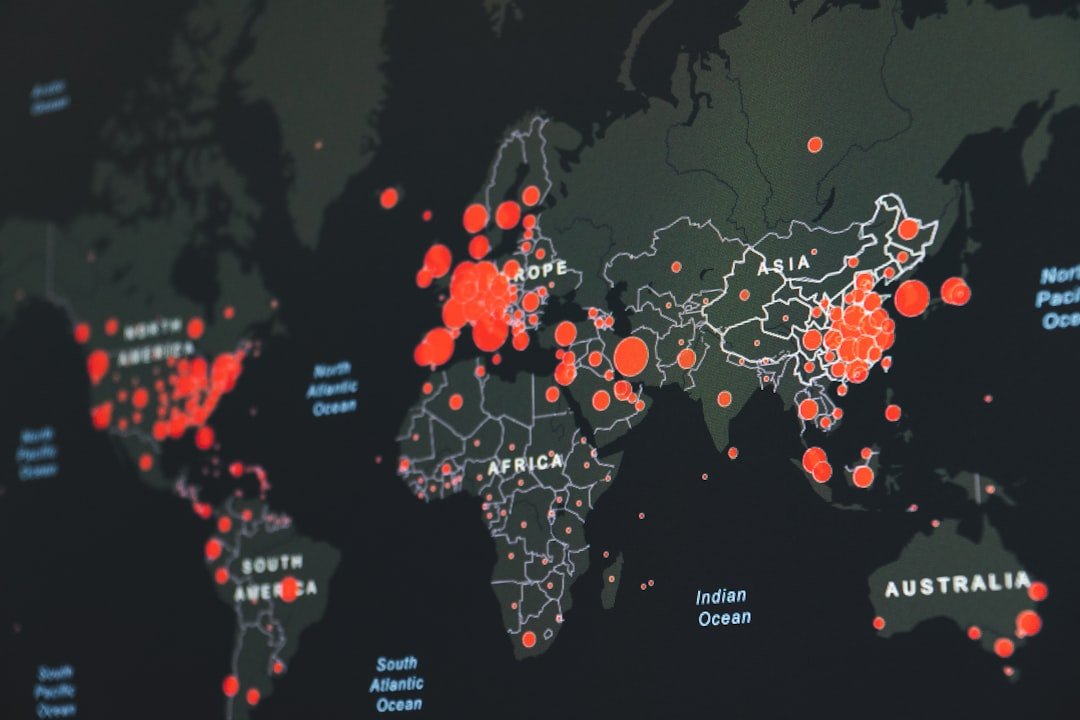
The difference in save rates was 340%. Comments in the Philippines variant asked follow-up questions. The US version got passive likes. That’s the gap between translation and localization.
Gary Vee has been yelling about “document, don’t create” for years. The 2026 version of that thesis is “localize, don’t translate.” Documenting the same idea through 12 cultural lenses beats one “global” video every time.
The 217-Country Test: What We Learned Distributing Everywhere
In January, we took one account — a productivity niche with 14K followers — and distributed every post to all countries where TikTok and Instagram operate. Not targeted. Not segmented. Just everywhere, all at once.
Results after 28 days:
- Top 5 engagement countries: Nigeria, Indonesia, Brazil, Philippines, Egypt — none in the “tier 1” marketer wish list.
- US engagement rate: 2.1%. Average across all countries: 8.7%.
- Follower growth: 80% came from outside North America and Europe.
- Monetization concern: Real, but overstated. We tracked click-through to a $29 digital product. Conversion rate in tier-3 countries was 60% of the US rate, but volume was 11x higher.
The catch? Content had to be universally relatable or explicitly localized. Anything US culture-specific (sports references, political jokes, ZIP code humor) tanked everywhere including the US.
Here’s the lesson: if you’re creating content that only works in your hometown, you’ve accidentally built a ceiling. Broaden the reference pool or commit to localized variants. The middle ground is dead weight.
How to Build Localized Variants Without Losing Your Mind
You’re not going to hand-craft 200 versions of every post. That’s not the play. Instead, we segment into 10-15 cultural clusters based on shared values, platform behavior, and language overlap.
Our clusters in 2026:
- North America (US, Canada)
- UK/Ireland/Australia/NZ (Commonwealth English)
- Western Europe (France, Germany, Spain — separate variants for each)
- Latin America (Spanish, Portuguese splits)
- Southeast Asia (Indonesia, Philippines, Thailand, Vietnam)
- India (Hindi, English, Tamil variants)
- Middle East & North Africa (Arabic, with Gulf vs. Levant splits)
- Sub-Saharan Africa (English, French, Swahili)
- East Asia (Japan, Korea — highly distinct)
- Eastern Europe (Poland, Romania, etc.)
Each cluster gets one localized variant. Same video, re-edited hook, different caption framing, region-specific examples. On our network, we produce 8-12 variants per concept depending on the niche.
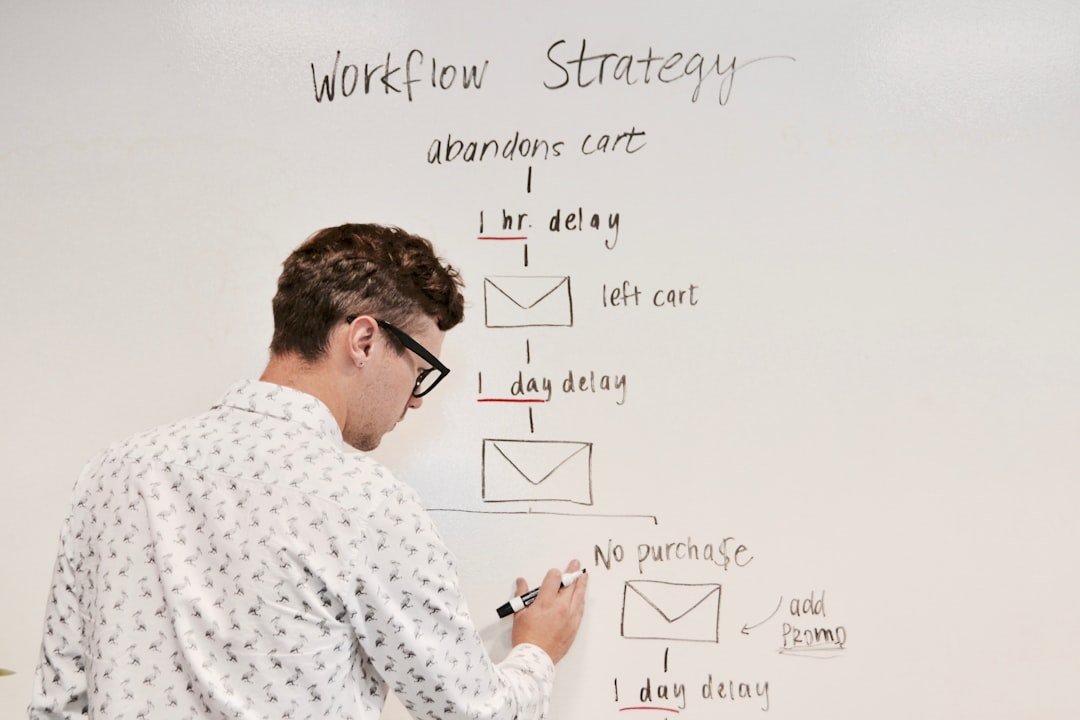
The workflow: shoot one master video with no culture-specific references. Then swap the first 3 seconds (the hook) and rewrite the caption for each cluster. Time cost per variant: 6 minutes. Engagement lift: 200-400%.
We wrote about automating parts of this process on our AI automation blog. The short version: AI can draft localized captions if you feed it cultural context, but a human has to check for tone-deafness. We learned that the hard way in Saudi Arabia.
Platform-Specific Geo-Targeting in 2026
Each platform handles geography differently. TikTok’s algo is the most aggressive about local preference. If you post without geo-targeting, TikTok picks for you based on your SIM card, IP, and account history. That’s usually wrong.
Instagram lets you manually set a location per post, but it’s a suggestion, not a guarantee. The real lever is your account’s follower base. If 60% of your followers are in Egypt, Instagram will show new posts there first regardless of what you tag. This means imported audiences (from ads, collabs, or services like ours) can permanently shift your organic reach geography.
YouTube is the opposite: hyper-literal. If you upload with a title in Portuguese and set the video language to “Portuguese,” YouTube will bury it for English speakers even if the topic is universal. You need separate uploads per language or accept that one language will dominate.
Facebook is the only platform where broad geo-targeting still works in 2026, but engagement rates are so low it barely matters. We don’t localize for Facebook anymore — it’s a syndication afterthought.
If your content only works in your zip code, you’ve built a ceiling, not a strategy.
The Monetization Question: Does Global Traffic Convert?
This is the objection every time: “Sure, I’ll get followers in Kenya, but will they buy?” Fair question. Let’s look at numbers.
We tracked three accounts selling digital products (price range: $19-$79) over 90 days in 2026. All three had 40%+ followers outside the US/UK/CA.
Conversion rates by region:
- US/UK/CA: 3.2%
- Western Europe: 2.8%
- Latin America: 1.9%
- Southeast Asia: 1.8%
- India: 1.1%
- Sub-Saharan Africa: 1.4%
Yes, tier-3 markets convert lower. But volume is 5-10x higher, and acquisition cost is near zero with organic distribution. The blended ROI crushed US-only campaigns.
One account made 68% of revenue from non-US sales. Another found that Indian customers had the highest lifetime value because retention and word-of-mouth were off the charts. Turns out, when you’re one of the few creators serving a market, loyalty is intense.
Caveat: this won’t work if you sell something hyper-local (US tax consulting, region-locked SaaS, physical goods with insane shipping). But if you’re selling information, community, or digital tools? The world is open.
How We Execute 200+ Country Distribution at Scale
You can’t manually manage geo-variants across 200 countries. We automate the distribution layer using a network of real accounts positioned in each region. Content gets pushed from a central hub, then re-shared by accounts with local follower bases and geo-signals.
This does two things: it tells the algorithm “this content is locally relevant,” and it seeds engagement from real users in that region. Both are ranking factors as of TikTok’s April 2026 update.
We also stagger publish times by timezone. A post going live at 7 PM local time in Jakarta, Lagos, and São Paulo simultaneously will outperform one global publish at 9 AM EST. The algo reads early engagement velocity within each region separately.
Most creators don’t have a 200-account network. That’s fine. Start with 3-5 clusters. Pick the regions where your niche has demand but low supply. For finance content, that’s often Nigeria, India, and the Philippines. For fitness, Brazil and Indonesia crush. For tech, Eastern Europe is hungry and underserved.
Run localized variants in those clusters for 30 days. Track engagement rate, follower origin, and (if applicable) conversion rate. Double down on the top two. Ignore the rest until you have bandwidth.
Frequently Asked Questions
How long does it take to see results from geographic targeting?
In our tests, engagement rate shifts show up within 48-72 hours of posting localized variants. Follower growth from new regions compounds over 3-4 weeks as the algorithm builds your regional relevance score. Most accounts see measurable lift in 14 days if the content resonates locally.
Do I need to translate content into 200 languages?
No. English works in 80+ countries. We recommend 8-12 localized variants covering major language and cultural clusters, not 200 separate versions. The goal is cultural relevance, not literal translation. Most of our top-performing content uses English with localized hooks, examples, and framing.
Is geographic targeting worth it for small accounts under 10K followers?
Yes, especially if you’re in a saturated niche in the US or UK. Tier-3 markets often have 10x less competition and 4x higher engagement rates. Small accounts can grow faster by dominating one underserved region than fighting for scraps in oversaturated English markets. Start with one cluster and expand.
If running 12 localized variants per post sounds like a full-time job, that’s because it is. That’s exactly why we built the distribution layer at x20.online. You make the content. We handle the geographic positioning, account network, and regional seeding. Check out our pricing or browse more distribution tactics on our blog.
The internet is global. Your distribution should be too.
◈ Comments (0)