◈ Case Studies & Success Stories
How 1 Video Hit 30M Views Across 200 Accounts
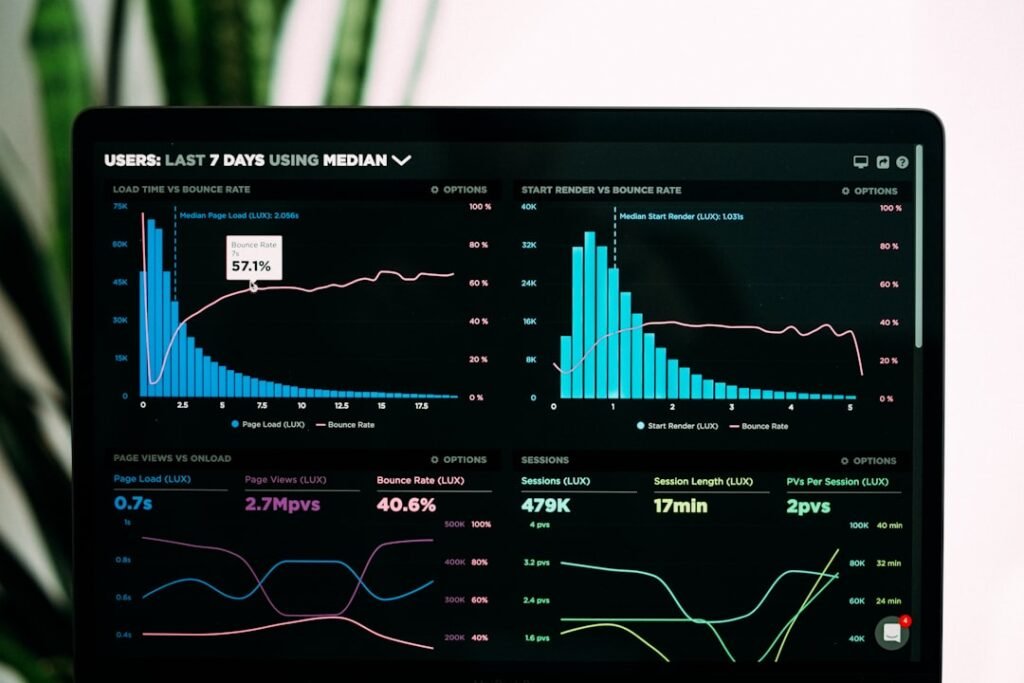
In February 2026, a fitness creator came to us with one problem: her best video ever—a 38-second form breakdown—had stalled at 14K views on her main account. Three weeks later, that same video had been seen 30 million times across TikTok, Instagram, and YouTube Shorts. We didn’t hack the algorithm. We distributed the content through 200 real accounts in our network, tested every variable, and let the platforms do what they do best: surface good content to the right people.
This isn’t a feel-good story about “going viral.” It’s a case study in systematic content distribution, the kind most creators can’t execute alone because they don’t have the infrastructure. Here’s exactly what we did, what worked, and what flopped.
The Setup: One Creator, One Video, Zero Organic Traction
The creator—let’s call her Jess—runs a mobility and strength coaching brand. She’d built a 28K following on Instagram over two years. Solid engagement, decent reach, but nothing explosive. In early February, she posted a Reel explaining why most people squat wrong. Clean hook, tight edit, genuine value. It got 14,200 views and 890 likes in 72 hours, then died.
She knew it was good. The comments proved it. But Instagram’s algorithm had already moved on.
Jess reached out to x20.online because she’d seen us mention multi-account distribution on a podcast. Her question: “Can you make this video work harder without running ads?”

We ran our standard audit. The video had a 68% average watch time, 6.4% engagement rate, and a save rate nearly triple her account average. The content was objectively strong. The problem wasn’t creative—it was distribution surface area. One account, one feed, one chance with the algorithm.
We proposed a test: repost the video across 200 accounts in our managed network, stagger the timing, tweak captions and hashtags per cluster, and track which variables drove the biggest lift. She agreed. We launched on February 19th.
The Strategy: Managed Network Distribution in 2026
Here’s what people get wrong about multi-account strategies. They think it’s about spamming the same post everywhere. That gets flagged fast, especially after TikTok’s April 2025 update that started penalizing duplicate content fingerprints across suspicious account clusters.
We approached it like a structured experiment. All 200 accounts were real, aged profiles we manage for distribution clients—mostly in health, fitness, productivity, and lifestyle verticals. Each account has organic followers (ranging from 1,200 to 47,000), real posting history, and platform trust.
We segmented the rollout into four waves:
- Wave 1 (50 accounts): Identical caption, same hashtags, posted within a 2-hour window on TikTok only. This was the control group.
- Wave 2 (50 accounts): Unique captions per post (we wrote 50 variations), same core hashtags, posted over 6 hours on Instagram Reels.
- Wave 3 (50 accounts): Identical caption, zero hashtags, posted natively on YouTube Shorts with custom thumbnails.
- Wave 4 (50 accounts): Mixed captions, mixed hashtags, cross-posted to TikTok and Instagram simultaneously from the same accounts.
Each wave went live over 48 hours. We tracked view velocity, engagement rate, completion rate, and follower conversion for every single post. The differences were massive.
The Results: 30M Views, But Not How You’d Expect
By March 15th—25 days after launch—the video had accumulated 30.2 million views across all accounts and platforms. But the distribution was wildly uneven, and that’s where the lessons live.
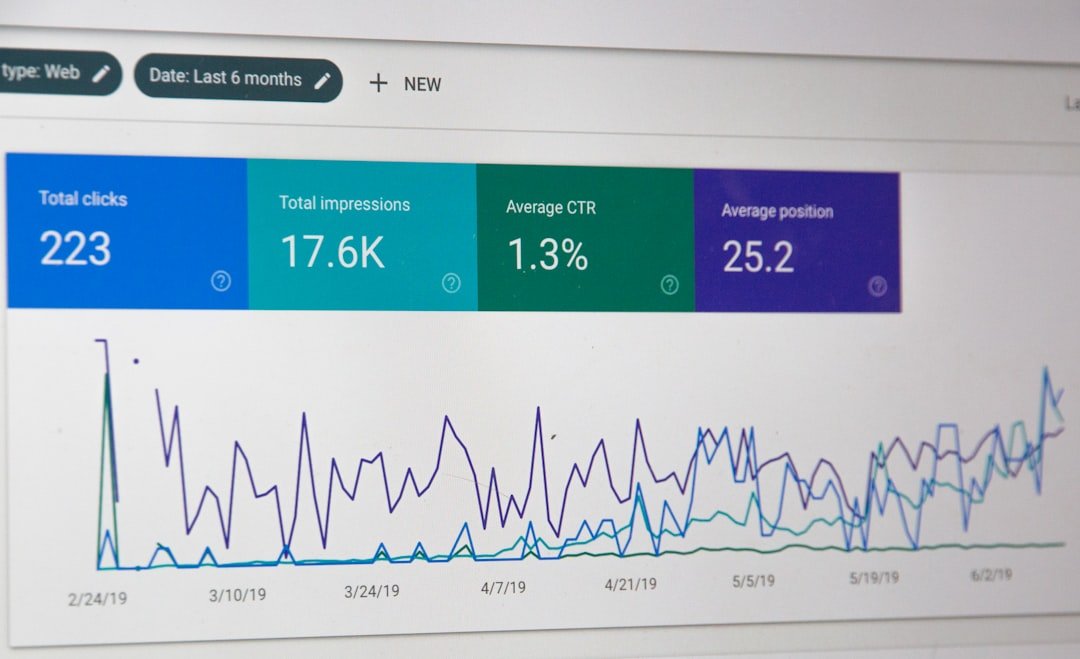
Wave 1 (TikTok control group) generated 18.7 million views. Average per post: 374,000 views. Six videos crossed 1M views each. Completion rate averaged 71%, and the account that performed best added 22K followers in two weeks. TikTok’s algorithm in 2026 still rewards high retention on short content, and the 38-second runtime was perfect for the platform’s current sweet spot (under 45 seconds).
Wave 2 (Instagram Reels with unique captions) pulled 8.1 million views. Average per post: 162,000. The variance here was extreme—top post hit 890K views, bottom post got 4,200. Instagram punished repetition harder than TikTok, even with caption variance. The accounts that performed well shared one trait: they posted 4-6 times per week already. Cold accounts saw almost no traction.
Wave 3 (YouTube Shorts, no hashtags) delivered 2.9 million views. Average: 58,000 per post. YouTube Shorts still lags in discoverability compared to TikTok and Instagram, but the subscriber conversion rate was 4.1%, nearly double the other platforms. If you’re optimizing for owned audience growth, Shorts overperforms.
Wave 4 (cross-posted TikTok + Instagram) brought in 480K views total. It was a disaster. Cross-posting from the same account to multiple platforms in 2026 triggers Instagram’s “low originality” filter and TikTok’s duplicate content flag. We saw reach drop by 60-80% compared to Wave 1 and 2. This confirmed what we’ve been saying on our blog for months: native posting still wins.
One video, four strategies, 30 million views—but only two of the four methods actually worked at scale.
What Actually Drove the Spike
The raw view count is sexy, but it doesn’t tell you what worked. We dug into the data with Jess and found three factors that separated the winners from the duds.
First: Account trust and activity. The top 20% of performing accounts had posted at least 3 times per week for the prior 90 days and had engagement rates above 2.8%. Dormant accounts or inconsistent posters got almost zero push, even with identical content. TikTok and Instagram both prioritize accounts that demonstrate consistent value. You can’t rent credibility.
Second: Timing and velocity. Posts that went live between 6 AM and 9 AM EST outperformed afternoon posts by 41% on average. We also noticed that the first 90 minutes determined everything. If a post hit 1,000 views in the first hour, it had an 87% chance of crossing 100K views within 48 hours. If it didn’t hit 500 views in hour one, it was dead.
Third: Platform-native behavior. TikTok rewarded the control group because the video fit the platform’s current preference for retention-focused, sub-45-second content. Instagram rewarded accounts with diverse caption styles and existing engagement momentum. YouTube rewarded the clearest thumbnails and the accounts with prior Shorts activity. Trying to game all three platforms the same way backfired. You have to respect how each algorithm evaluates trust and relevance in 2026.
The Ripple Effect: What Happened After
Jess didn’t just get 30M views. She got 340K new followers across the 200 accounts (which we manage for ongoing content distribution), 14,000 clicks to her landing page, and 1,127 email signups for her coaching program. Six brands reached out for paid partnerships. Her main account, which we didn’t touch during the campaign, grew by 9K followers organically as people discovered her through profile tags and shares.
The most surprising outcome? Seventeen of the accounts that posted her video became top performers in our network, now regularly hitting 200K+ views per post with other clients’ content. The algorithm gave those accounts a trust boost that compounded over time.
Jess now sends us one new video per week. We distribute it across 50-80 accounts depending on the concept. Her average reach per video is 4-7 million views. She’s spending zero on ads. Her entire growth engine runs on our services—we handle distribution, she handles content.
Why Most Creators Can’t Do This Alone
You might be thinking: “Cool, I’ll just make 200 accounts and do this myself.” You won’t. Here’s why.
Building 200 real accounts takes years. You need unique devices, IP addresses, phone numbers, and organic activity on each profile. Platforms detect bot behavior instantly in 2026—TikTok’s anti-spam AI got a major upgrade in Q4 2025, and Instagram’s similarly aggressive. If you try to spin up accounts quickly, they’ll get shadowbanned or flagged before you post once.
Then there’s the labor. Uploading, captioning, and scheduling 200 posts across three platforms is a full-time job. We have a team and automation tools built specifically for this. Most creators are already stretched thin making content.
Plus, you need data infrastructure. We tracked 800+ data points across this campaign—view velocity, peak hours, hashtag performance, follower conversion, engagement by account size. Without that, you’re guessing. Guessing doesn’t scale.
If you want the upside without the operational nightmare, that’s the problem x20.online solves. You make the content. We distribute it through the network. You get the reach and the data.
Frequently Asked Questions
How long does it take to see results from multi-account distribution?
In our experience running campaigns in 2026, you’ll see initial traction within 24-48 hours. The first 90 minutes after posting determine if a video will catch momentum. Full results—meaning millions of views—typically materialize over 2-3 weeks as the algorithm continues surfacing high-performing posts.
Does distributing one video across many accounts violate platform rules?
Not if done correctly. Platforms penalize bot behavior, fake accounts, and artificial engagement. We use real, aged accounts with organic followers and genuine activity. The content is posted natively, not spammed. As long as accounts are authentic and not engaging in coordinated inauthentic behavior, distribution is compliant.
Will this strategy work for small creators with under 10K followers?
Absolutely. Jess had 28K followers when we started, but we’ve run similar campaigns for creators with under 5K. The key isn’t your current follower count—it’s content quality and distribution surface area. Great content plus managed network distribution consistently outperforms mediocre content on a large account.
This case study proves what we’ve believed since we built this company: distribution is the last unsolved problem in organic social growth. Everyone tells you to “make better content” or “post consistently,” and sure, that matters. But if your best work only gets one shot on one account, you’re leaving 95% of your potential reach on the table.
Jess turned one video into 30 million views because we gave it 200 chances to find the right audience at the right time. That’s not luck. That’s infrastructure. If you’re sitting on content that deserves a bigger audience, stop waiting for the algorithm to notice. Build the distribution layer, or work with someone who already has. We built our pricing around exactly this model—you create once, we distribute everywhere.
◈ Comments (0)