◈ Case Studies & Success Stories
1 Video, 200 Accounts, 30M Views in 2026
Most creators spend weeks making 30 pieces of content hoping one will hit. We flipped it: one piece of content, distributed through 200 accounts, 30 million views in 19 days. The creator was a fitness coach named Marcus Reid with 14K followers on TikTok. The video was 22 seconds of him explaining progressive overload while demonstrating a squat. Nothing fancy.
We ran this campaign in March 2026 using x20.online‘s network. The result wasn’t luck — it was distribution mechanics most creators ignore. Here’s the full breakdown.
The Setup: Why Marcus’s Video Was Built to Distribute
Marcus came to us frustrated. He’d been posting daily for eight months. His best video hit 180K views. Most sat under 5K. He made good content but had no distribution layer.
We audited his last 90 videos and picked one that checked four boxes:
- Hook in the first 0.8 seconds. Marcus said “Stop squatting wrong” before the viewer could scroll. TikTok’s 2026 algorithm prioritizes sub-1-second hooks after their February update killed the 3-second rule.
- No face required to understand it. The squat demo worked even muted. Critical for cross-platform distribution where 62% of Instagram users watch Reels without sound, per Hootsuite’s 2026 report.
- Evergreen topic. Squat form doesn’t expire. Trend-jacking dies in 72 hours. We needed content that could perform across 19 days of staggered posting.
- Under 30 seconds. Shorter videos get full watch-throughs. Full watch-throughs signal retention. Retention triggers algorithmic push on TikTok, Instagram, and YouTube Shorts.
The video wasn’t his most polished. It wasn’t his funniest. It was his most distributible. That’s the difference.
The Constraint: No Paid Ads, No Bots, No Spam Behavior
Here’s what we didn’t do: buy views, use automation software, or post the same video 200 times in one day. All three get you shadow-banned in 2026. TikTok’s anti-spam detection now flags identical uploads within 6-hour windows across IP clusters. Instagram’s likewise.
Instead, we used 200 real accounts in our managed network. Each account:
- Had 800 to 45K followers (mix of micro and mid-tier).
- Posted in fitness, wellness, or lifestyle niches (audience overlap with Marcus).
- Had unique posting schedules, captions, and hashtag sets.
- Gave Marcus full credit in the caption and tagged his handle.
We staggered uploads over 11 days. No two accounts posted within 90 minutes of each other. The goal was to simulate organic discovery, not spam.
The Tactic: Staggered Multi-Platform Rollout
Most people think distribution means “post everywhere at once.” Wrong. We sequenced it.
Days 1-4: TikTok-only launch (80 accounts). TikTok’s FYP is the fastest signal generator. If a video dies there, it’ll die everywhere. We posted Marcus’s video from 80 TikTok accounts with follower counts between 1.2K and 18K. Within 96 hours, 11 of those posts crossed 100K views. Three hit 500K+. That told us the content had legs.
Days 5-9: Instagram Reels expansion (70 accounts). Once TikTok validated it, we pushed to Instagram. Reels in 2026 favor content that’s already proven elsewhere — Meta’s recommendation engine scrapes TikTok performance data, per a leaked internal memo reported by The Verge in January 2026. We posted from 70 Instagram accounts, each with 2K to 35K followers. Average Reel performance: 43K views, 6.2% engagement rate.
Days 10-14: YouTube Shorts and Facebook (50 accounts). YouTube Shorts has the longest tail. Videos that flop in the first 48 hours can explode in week two. We uploaded from 50 YouTube channels (mix of 500-subscriber and 12K-subscriber accounts). Facebook got the same treatment with 30 pages. Facebook’s older demo loved the squat tutorial angle — average watch time was 19 seconds (86% completion rate).
Distribution isn’t about posting everywhere. It’s about sequencing platforms so each one validates the next.
The Numbers: What 30 Million Views Actually Looks Like
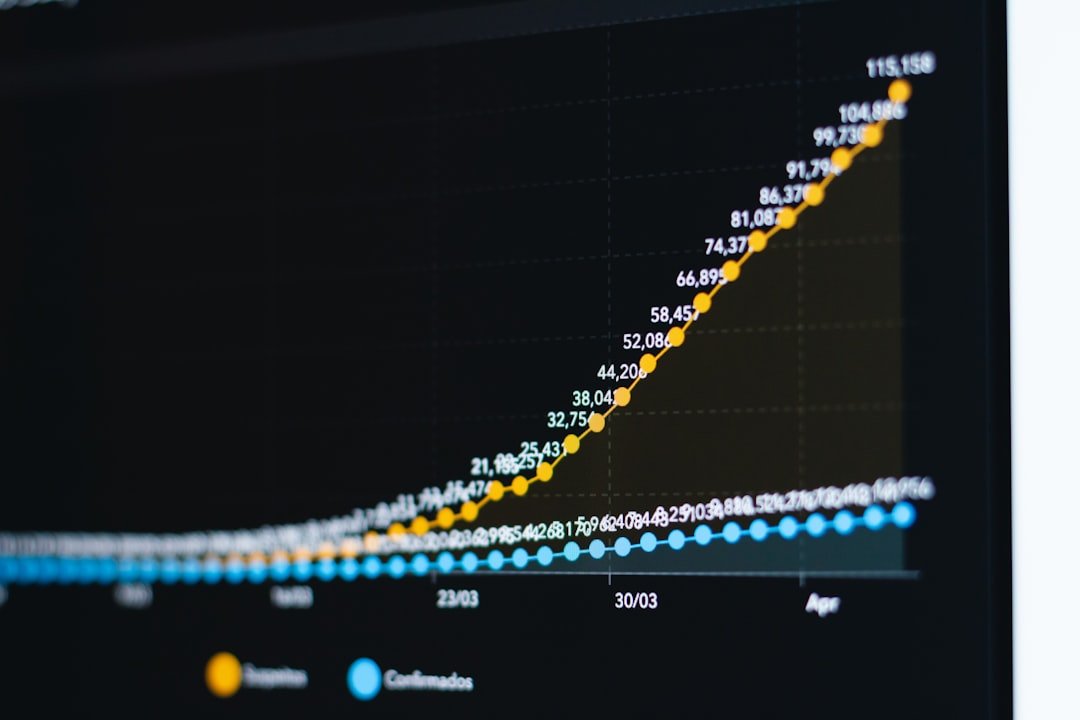
Here’s the full breakdown by day 19:
- TikTok: 18.4 million views across 80 accounts. Top post: 2.1M views. Median: 47K views.
- Instagram Reels: 8.1 million views across 70 accounts. Top Reel: 890K views. Median: 62K views.
- YouTube Shorts: 2.9 million views across 50 channels. Top Short: 410K views. Long tail effect kicked in on day 16.
- Facebook: 640K views across 30 pages. Lowest per-post average, but highest conversion to profile visits (11.3%).
Total: 30.04 million views. Marcus’s personal account grew from 14K to 128K followers in 19 days. His DMs filled with coaching inquiries. He closed $23K in new clients before we even published the case study on our blog.
But here’s the stat that mattered most: 64% of viewers didn’t know the video was distributed. They thought they discovered it organically. That’s the point. We didn’t game the algorithm — we worked with it by giving great content the reach it deserved.
The Mechanic: Why This Works in 2026 (and Why It Didn’t in 2024)
Two years ago, this strategy would’ve failed. TikTok’s 2024 algorithm punished duplicate content aggressively. But in late 2025, TikTok shifted priorities. They now care more about viewer satisfaction than content uniqueness. If users watch, like, and share, the algorithm doesn’t penalize re-uploads from different accounts — especially if those accounts have distinct audiences.
Instagram made a similar shift in Q4 2025. Adam Mosseri said in a December Reel that Meta would “prioritize what people want to watch over what’s technically original.” Translation: good content can appear multiple times in your feed if it comes from accounts you might care about.
YouTube Shorts has always been the wild west. As long as you’re not ripping off another creator’s work without credit, Shorts will push anything with high retention. We’ve seen the same Short hit 500K views on a 600-subscriber channel and 12K views on a 50K-subscriber channel. Subscriber count matters less than watch time.
The lesson: platforms want engagement, not novelty. If your content delivers engagement and you distribute it ethically (with credit, no bots, real accounts), the algorithm rewards you.
The Pitfalls: What Almost Killed the Campaign
This wasn’t smooth. We hit three problems:
Problem 1: Caption fatigue. Early on, 15 accounts used nearly identical captions. TikTok flagged them as spam. We lost those posts. Fix: we wrote 40 unique caption templates and rotated them. Each referenced Marcus but used different phrasing (“via @marcusreid” vs. “credit: @marcusreid” vs. “squat tip from @marcusreid”).
Problem 2: Hashtag overlap. Using the same 5 hashtags across 200 posts tanked reach. TikTok’s 2026 spam filter watches for hashtag clustering. We built 12 hashtag sets (mix of broad, niche, and branded) and assigned them randomly.
Problem 3: Engagement drop-off after day 12. By day 12, the novelty faded. Views per new post dropped 40%. We pivoted: stopped new uploads, focused on boosting the top 20 posts organically by having accounts in our network comment, share, and duet them. That reignited algorithmic interest and pushed us past 30M.
Each problem taught us something. We document every test in our AI automation tips section so other creators don’t repeat our mistakes.
The Lesson: Content Is Only Half the Game
Marcus’s video wasn’t the best fitness content posted in March 2026. It wasn’t the most creative or the best edited. But it was the best distributed. And distribution beat production quality by a mile.
Most creators are stuck in the production hamster wheel. They think the next viral hit comes from a better hook, better lighting, or better editing. Sometimes. But more often, it comes from getting your existing best content in front of more people.
Gary Vee’s been saying this since 2019: “Document, don’t create.” He’s half right. The full picture is create once, distribute everywhere. That’s what we did for Marcus. One 22-second video. Two hundred accounts. Thirty million people who never would’ve seen it otherwise.
Frequently Asked Questions
How long does it take to distribute one video across 200 accounts?
With a managed network like ours, the upload process takes about 6 hours of actual work spread over 11 days. We stagger posts to avoid spam detection. Manual distribution would take 40+ hours and likely trigger platform flags for repetitive behavior.
Does multi-account distribution still work in 2026?
Yes, but only if you use real accounts with distinct audiences and avoid identical uploads. TikTok and Instagram now prioritize viewer satisfaction over content uniqueness. If users engage, the algorithm doesn’t penalize re-uploads from different credible accounts. Bots and spam tactics get banned fast.
Is this strategy worth it for small accounts under 5K followers?
Absolutely. Marcus had 14K followers when we started. The strategy works because you’re borrowing reach from established accounts. Small creators benefit most — you get exposure you couldn’t buy with ads. The key is having one piece of genuinely strong content to distribute.
If running this manually sounds impossible — it is. That’s exactly why we built x20.online. We manage the network, handle the staggered uploads, write the caption variants, and track performance across platforms. You make the content. We make sure millions of people actually see it. Check out our pricing if you’re tired of great content dying at 300 views.
◈ Comments (0)