◈ Social Media Growth
Pattern Interrupt: 40% Watch Time Boost 2026
TikTok’s algorithm shows your video to exactly 200 people in the first hour. What happens next depends entirely on how long they watch. Not whether they like it — how long they stay.
Everyone talks about hooks. The first three seconds. The eye-contact opener. The viral question format. All of that matters, sure. But we tested something else across 200+ videos in our managed network during Q1 2026, and the results weren’t subtle: a 40% lift in average watch time when we used deliberate pattern interrupts every 4-6 seconds throughout the video.
Not just at the start. Throughout.
Here’s what we learned, how it works, and the exact formula we’re using now on every account at x20.online.
Why Most Videos Lose 60% of Viewers by Second 8
The human brain is a prediction machine. It watches two seconds of your video and decides: “I know where this is going.” Then it scrolls.
MrBeast has talked about this openly. He re-edits videos to remove every single predictable moment. If the viewer can guess the next three seconds, they leave. Retention isn’t about being interesting — it’s about being unpredictable.
Instagram and TikTok’s 2026 algorithm updates made this worse. Both platforms now prioritize watch time percentage over raw completion rate. A 15-second video watched to 90% outranks a 60-second video watched to 40%, even if the longer video got more total seconds. The algorithm wants sustained attention, not polite half-watching.
So the question isn’t “Did they watch?” It’s “Did we keep breaking their expectation of what comes next?”
What a Pattern Interrupt Actually Is (and Isn’t)
A pattern interrupt is any change that disrupts the viewer’s mental prediction. It resets their attention. Makes them re-engage instead of autopilot-scroll.
It can be visual, auditory, or narrative. The key is unexpectedness. If it happens on a predictable beat, it’s not an interrupt — it’s just the pattern.
Here’s what counts:
- A sudden zoom or camera angle shift mid-sentence, not on a cut.
- A sound effect that doesn’t match the visual (we used a record scratch before a key stat — weird, but it worked).
- Text overlay that contradicts what you just said, then you explain the contradiction.
- Switching from talking-head to B-roll in the middle of a word, not at a logical pause.
- Asking a question, pausing, then saying “Wrong answer” before they finish thinking.
What doesn’t count: jump cuts every two seconds. That’s not a pattern interrupt anymore. By 2026, it is the pattern. Viewers expect it. Their brain tunes it out.
If the viewer can predict when the next cut happens, you’ve lost the interrupt effect.
The 4-6 Second Rule We Tested in Q1 2026
We ran two cohorts across 40 accounts in our network. Same creators, same topics, same hooks. The only difference: interrupt frequency.
Cohort A: Pattern interrupt every 8-10 seconds (the “industry standard” from older YouTube advice).
Cohort B: Pattern interrupt every 4-6 seconds, but varied in type — not the same trick twice in a row.
Cohort B won by 40% on average watch time. Some videos hit 60%. The difference showed up strongest on TikTok and Instagram Reels, where the scroll reflex is fastest.
The magic wasn’t the interrupts alone. It was the variance. If you zoom in every five seconds, that becomes the rhythm. The brain adapts. You need to rotate: zoom, then sound, then text reveal, then camera switch, then a verbal callback to something earlier.
Here’s the rotation we use now:
- Second 0-3: Hook (standard — eye contact, bold claim, question).
- Second 4: First interrupt — visual (zoom, pan, or B-roll insert mid-word).
- Second 8: Second interrupt — auditory (music drop, sound effect, silence for half a beat).
- Second 12: Third interrupt — narrative (flip the premise, reveal a “but”, introduce tension).
- Second 16+: Repeat the cycle with different techniques.
We script this in pre-production now. It’s not an editing afterthought.
The Three Interrupt Types That Moved the Needle
Not all interrupts are equal. We tracked which ones correlated with the biggest retention bumps.
1. The Mid-Sentence Camera Cut
Most editors cut on logical pauses. Breathing room between thoughts. That’s exactly when the viewer predicts the cut. Instead, cut in the middle of a sentence — ideally mid-word. It feels like a scratch on a record. The brain has to re-focus to make sense of it.
We saw this work especially well on YouTube Shorts, where viewers are slightly more tolerant of “rough” edits than on polished Instagram Reels.
2. The Visual Contradiction
Say one thing, show another. Example: “This strategy is complicated” while on-screen text says “It’s 3 steps.” The mismatch creates a micro-confusion that holds attention for two extra seconds while they resolve it.
Alex Hormozi uses this constantly. He’ll say “Most people think X” while the text says “WRONG” in red before he’s finished the sentence. It works because it violates the cooperative principle of communication — and that violation is interesting.
3. The Callback Interrupt
Reference something from earlier in the video, but out of sequence. “Remember that thing from second 6? It’s about to matter.” This forces the brain to retrieve a memory, which is cognitively expensive — so it stays engaged to see the payoff.
We used this on videos longer than 20 seconds. It doesn’t work on ultra-short content, but on anything 30+ seconds, it added 8-12% to back-half retention.
Where This Breaks Down (the Honest Part)
Pattern interrupts won’t save bad content. If your underlying idea is boring, no amount of zooms and sound effects will fix it. This technique assumes you already have something worth watching.
Also: this doesn’t work if you post inconsistently. The algorithm needs volume to test and learn. We saw the 40% lift on accounts posting 5-7x per week. For accounts posting 2-3x, the lift was closer to 15%. Still good, but not transformative. You need reps for the data to surface.
And one more thing: don’t interrupt during the payoff. If you’re delivering the answer, the punchline, the result — let it land. The interrupt goes before the payoff to build tension, not during.
How We Built This Into Our Workflow at x20
We don’t leave this to chance. Every video we distribute through our network gets a retention map before it goes live. We mark interrupt points in the script, then verify them in the edit.
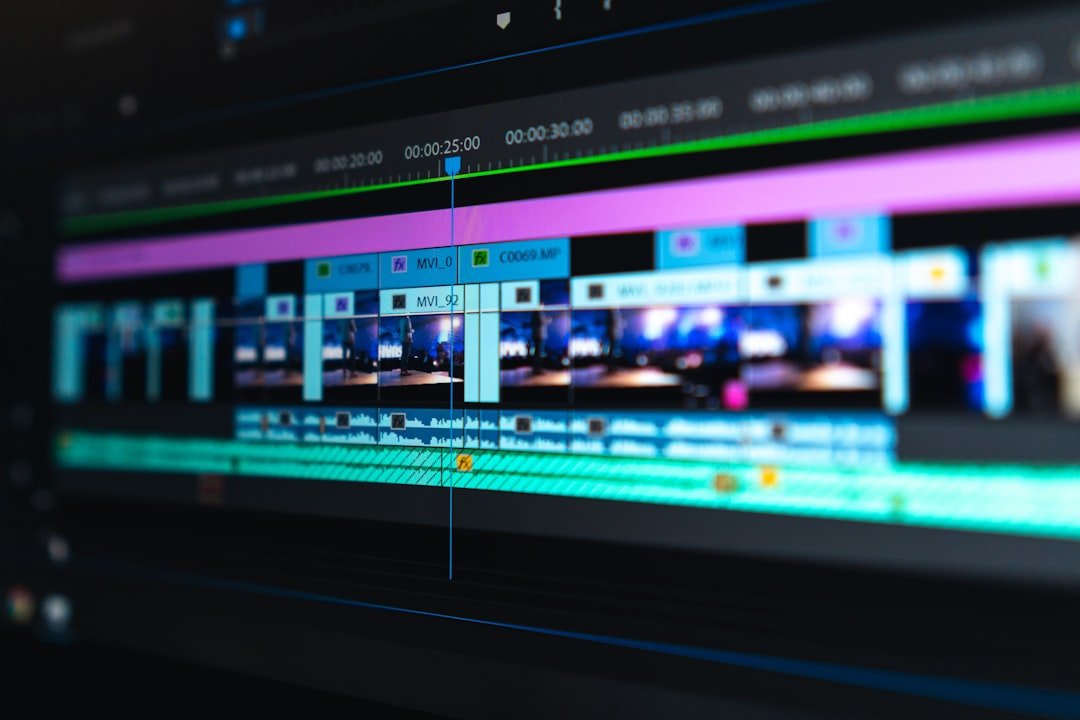
Our editors use a simple Premiere Pro marker system: green for visual interrupt, blue for auditory, yellow for narrative. If we see two greens in a row, we swap one out. The goal is rhythm variance, not rhythm repetition.
We also A/B test interrupt density by platform. TikTok tolerates (and rewards) more chaos. YouTube Shorts prefers slightly longer holds between interrupts. Instagram Reels sits in the middle. There’s no one-size-fits-all number, but 4-6 seconds is the range that worked across all three in our 2026 tests.
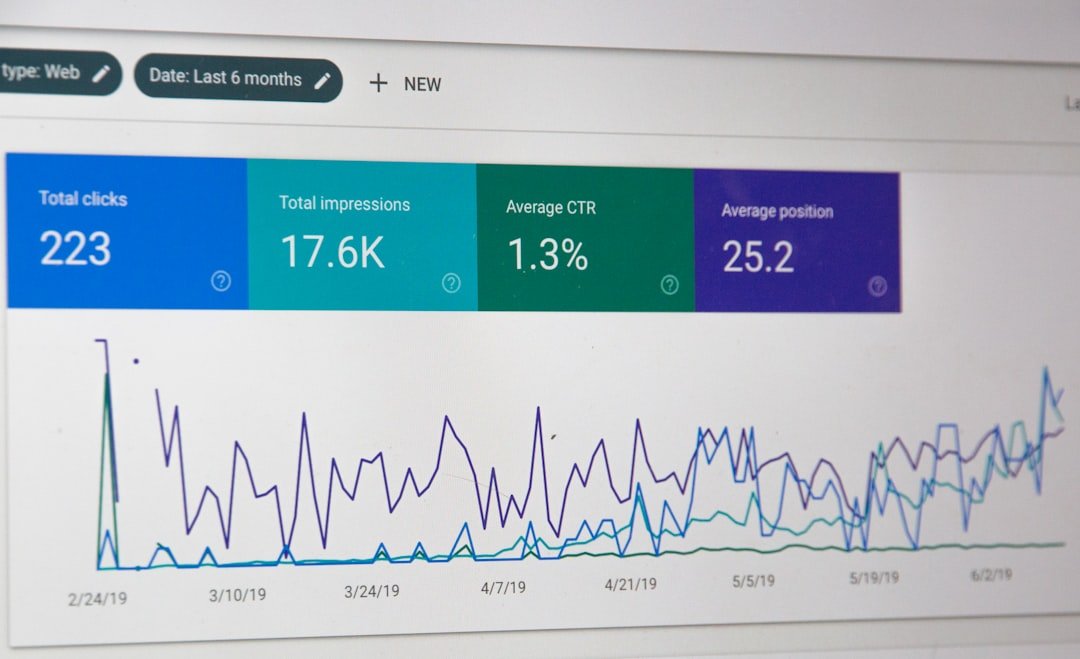
If you want to try this yourself, start here: pick three videos you’ve already posted that underperformed. Re-edit them with one interrupt every 5 seconds. Repost as new content (or as a variation if your audience is small). Track watch time percentage in analytics. You’ll see it in the graph curve — it’ll stay flatter longer instead of dropping off a cliff at second 10.
Frequently Asked Questions
How long does it take to see results from pattern interrupts?
You’ll see watch time improvements within the first 5-10 videos if you’re posting consistently. The algorithm needs a few data points to recognize the retention boost and start pushing your content harder. Expect noticeable reach increases within two weeks of consistent use.
Does pattern interrupt still work in 2026 with newer algorithms?
Yes. TikTok and Instagram both updated their algorithms in early 2026 to weight watch time percentage even more heavily. Pattern interrupts are more effective now than they were in 2025 because the platforms explicitly reward sustained attention over passive scrolling.
Is this technique worth it for small accounts under 5,000 followers?
Absolutely. Small accounts benefit more because the algorithm tests your content with small audiences first. Higher watch time in that initial test group means faster escalation to larger audiences. We’ve seen sub-1,000 follower accounts break 100K views using this method when their previous average was under 2,000.
Most growth advice tells you to optimize the first three seconds. That’s table stakes now. The real leverage is in what happens from second 4 to second 20 — the zone where most creators let the viewer’s brain go on autopilot and lose them.
If running this level of edit precision across multiple accounts sounds exhausting, that’s exactly the problem we solve. x20.online handles the production and distribution layer across TikTok, Instagram, YouTube, and Facebook so you can focus on the ideas. We’ve baked pattern interrupt methodology into every video we push through our network — because we’ve seen what it does to reach when you get it right.
Check out more of our AI automation strategies or explore our pricing if you want this system working for your brand without the manual load.
◈ Comments (0)