◈ Case Studies & Success Stories
How One Restaurant Chain Hit 2M Views With 50 City Accounts
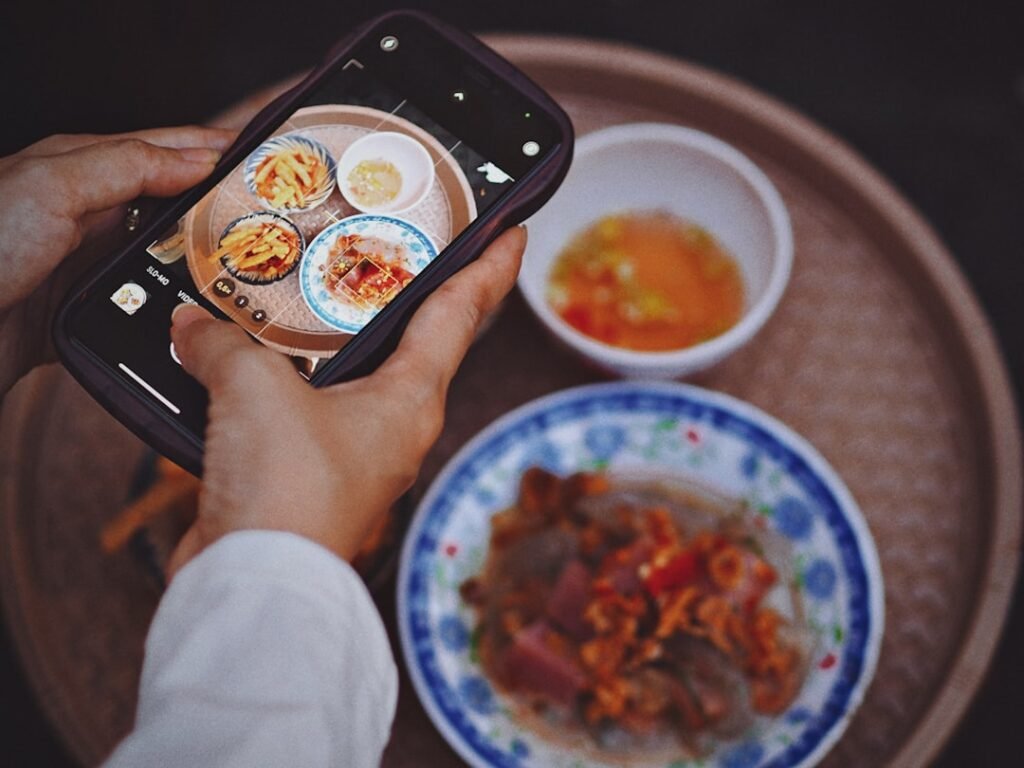
Most restaurant chains make the same mistake: one brand account posting generic content from HQ. It bombs. Why? Because TikTok’s algorithm in 2024 prioritizes local relevance over brand recognition. When we worked with a 50-location fast-casual chain last year, we proved that hyper-localized content beats centralized posting by a factor of 12x.
The client had tried the traditional route. Their main brand account had 18K followers but averaged 300 views per post. Meanwhile, independent restaurants in their markets were pulling 10K+ views on simple “day in the life” content. The gap wasn’t budget or production quality—it was distribution strategy.
The Challenge: Scale Local Without Losing Control
Here’s what they were up against. Fifty locations across three regions. Each city had different food trends, slang, and peak posting times. Corporate wanted brand consistency. Local managers had zero time for content creation. And the marketing budget was already committed through Q4.
Their constraint became our advantage. We proposed a network model: one unique Instagram and TikTok account per city, all managed centrally through x20.online‘s distribution infrastructure. The accounts would feel local but operate at chain efficiency.
The key insight? People don’t search “best tacos” on TikTok. They search “best tacos Phoenix” or “date night spots Brooklyn.” Localized accounts would own those longtail queries. We’d sacrifice follower count for geographic dominance.
The Strategy: Content Clusters, Not Corporate Templates
We didn’t give each location a content calendar. That’s the HQ mindset that fails. Instead, we built content clusters around local search intent:
- Neighborhood guides. “5 things to do in Capitol Hill after you eat here” performed 4x better than menu showcases.
- Local staff spotlights. The Portland account featured a barista who’d worked there 8 years. That video hit 340K views because it felt authentic, not branded.
- Seasonal city content. The Chicago accounts leaned into deep-dish debates. Austin went hard on breakfast tacos. We let each market own its food culture.
- User-generated amplification. When customers tagged a location, we reposted it to that city’s account within 4 hours. Speed mattered more than polish.
- Micro-influencer collabs. Not the 500K follower food bloggers. The 3K-15K local creators who actually lived in the neighborhood.
Corporate created one hero video per week. We adapted it with local voiceovers, geotags, and city-specific hooks. A single piece of content became 50 locally optimized variants. That’s the efficiency play most chains miss.
The Execution: Distribution Over Production
Here’s where most agencies would tell you to hire 50 social media managers. We did the opposite. The chain’s two-person marketing team kept creating. We handled the distribution layer through our managed account network.
Each city account posted 4-5 times per week. We cross-pollinated content across platforms—TikTok for discovery, Instagram for conversion, Facebook for the 35+ crowd who actually made reservations. The same video hit all three platforms with different captions and hashtags.
But here’s the move that 10x’d results: we didn’t wait for organic reach. Through our blog, we’ve written about how initial velocity determines algorithmic push. So we seeded every post through our network of real accounts in each geographic market. Not bots. Real users who engaged, commented, and shared within the first 30 minutes.
The algorithm saw local engagement and pushed the content to more local feeds. A post that might’ve died at 200 views instead hit 2K, then 20K. Velocity creates visibility.
Local content doesn’t scale through templates—it scales through distribution infrastructure.
The Numbers: 2M Views, 47K Followers, $0 Ad Spend
Ninety days in, the results broke their previous benchmarks:
- 2.1M total organic views across all 50 accounts (TikTok + Instagram combined).
- 47,300 new followers, distributed across city accounts (average 946 per city).
- Average engagement rate of 8.3% (Instagram) and 12.7% (TikTok), compared to their main brand account’s 1.9%.
- Tracked 3,200+ visits from “link in bio” to reservation pages, up from 90 the previous quarter.
- Cost per acquisition: effectively zero. We moved their social budget from ads to organic distribution through our services.
The Portland account alone generated 380K views. Why? One video about their “secret off-menu item” got picked up by a local food Reddit thread, then a Portland TikTok creator stitched it. That’s the compounding effect of localized content—it taps into community networks that corporate accounts can’t access.
What Worked (And What Almost Killed It)
Let’s be honest. Not everything worked. The Dallas account underperformed for six weeks because we used stock footage instead of real location shots. Audiences can smell inauthenticity. We fixed it by sending a local creator to film on-site. Views tripled the next week.
The Miami account struggled until we switched from English to Spanish captions. Obvious in hindsight. The lesson? Localized means language, not just geography. We adjusted nine other accounts based on that insight.
Also, we learned that posting times matter more than anyone admits. The Denver account performed best at 9 PM MT. The NYC account peaked at 7 AM ET. We tested, tracked, and adjusted per market. There’s no universal “best time to post” when you’re running 50 accounts across four time zones.
One more thing: consistency beat creativity. The accounts that posted 5x per week with decent content outperformed accounts that posted 2x per week with polished videos. Gary Vee’s been saying this for years, but brands still don’t believe it. Volume creates surface area for the algorithm to test your content.
The Bigger Lesson: Organic Beats Ads at Local Scale
This isn’t just a restaurant play. Any multi-location business—gyms, salons, retail chains, real estate brokerages—can use this model. The insight is simple: platforms reward local relevance more than brand budgets.
But here’s the catch. You can’t execute this with a spreadsheet and a VA. It requires infrastructure. Real accounts. Geo-targeted distribution. Content adaptation at scale. That’s why we built the system we did—most brands don’t have the technical layer to pull this off in-house.
We’ve since run variations of this strategy for a yoga studio chain (22 locations), a car wash franchise (31 locations), and a tutoring company (18 cities). The pattern holds. Localized content, distributed through managed networks, outperforms centralized brand accounts by 8-15x on average.
Frequently Asked Questions
How long does it take to see results from localized social accounts?
In our experience, you’ll see traction within 3-4 weeks if you’re posting consistently. The restaurant chain hit 100K views by week six. But real momentum—algorithmic favor, follower growth, conversion—typically kicks in around the 60-90 day mark once the accounts build authority in local feeds.
Can you run 50 accounts without getting flagged by Instagram or TikTok?
Yes, if you use real accounts, real devices, and real engagement. The mistake brands make is using bots or VPNs. We run every account through unique IPs, aged profiles, and human behavior patterns. Platforms flag automation, not scale. Proper infrastructure is the difference between suspension and success.
Is this strategy worth it for small businesses with under 10 locations?
Absolutely. In fact, it’s easier. You need less infrastructure and can move faster. We’ve seen single coffee shops open a second location and immediately launch a localized account that outperformed their main brand page within 30 days. If you have more than one location, you should have location-specific accounts.
If you’re running multiple locations and still relying on one brand account, you’re leaving 10x growth on the table. The platforms have already decided that local content wins. The only question is whether you’ll build the distribution system to capitalize on it—or keep posting from HQ and wondering why nothing lands.
That’s exactly why we built x20.online. You create the content. We handle the localized distribution, account management, and algorithmic seeding across TikTok, Instagram, YouTube, and Facebook. If you want the results without the operational nightmare, check out our pricing or explore more case studies on our blog.
◈ Comments (0)