◈ Case Studies & Success Stories
How Restaurant Chains Can Go Local on Social

Picture a burger chain with 50 locations and one Instagram account. The same Reel goes out to Nashville and Omaha with the same caption. Neither city feels like it’s about them.
That’s the default for most chains in 2026, and we think it’s the wrong one. A corporate account talks to everyone, so it sounds like it’s talking to no one. Locals share posts that mention their street, their weather, their game day. A national caption gives them nothing to share.
Here’s how a city-level setup works, who films it and where it falls apart.
Why Corporate Content Feels Like an Ad
Think about how people decide what to send to a group chat. They share things that feel close to home. A clip of “our” diner on “our” corner gets forwarded. A polished brand clip about a new sandwich gets a scroll.
The apps pay attention to context too. TikTok has said its For You feed weighs your interactions, video details such as captions and sounds, and settings such as language and country. You can read that in its own post, How TikTok recommends videos #ForYou. Captions and on-screen words are things you control. A caption that names a neighborhood gives the app one more clue about who might care.
Here’s the catch for chains. Head office writes one caption so it works everywhere. So it fits nowhere. The fix isn’t better copy. The fix is more voices, each tied to one city.
The Setup: One Account Per City
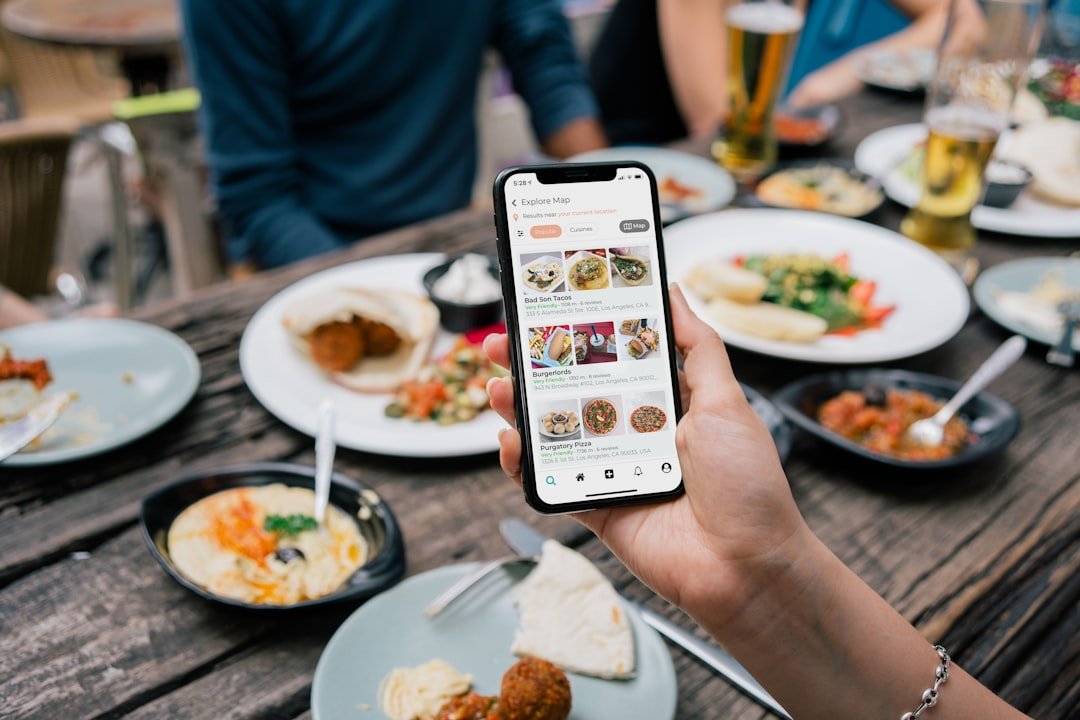
The idea is simple. Keep the main brand account for launches and big news. Then give each city its own handle, like @BrandNashville or @BrandColumbus. Label each one clearly as the brand’s local page, so nobody is fooled about who runs it.
Each city account posts things that only make sense there:
- Local landmarks show up in the background or the caption, like a well-known square or bridge near the store.
- City jokes and rivalries give people a reason to comment, like a barbecue debate or a traffic gripe.
- Customer posts that tag that store get reshared, with permission, on that city’s page.
- Offers name the street, like “free queso Friday at our Germantown spot” instead of “participating locations.”
- Local events get a nod, from a home game to a street fair down the block.
Say the Memphis store films a cook calling out orders during a game-day rush. That clip means little in Denver. In Memphis, it might be the post locals forward most that month.
Who Films It: Store Managers, Not Agencies
This is where most chains stall. Fifty cities posting a few times a week means hundreds of clips a month. Nobody can hire 50 videographers.
You don’t need to. Your managers already stand in the best set in town. Give each store a cheap kit: a phone tripod, a small light and a one-page shot list. Then keep the asks tiny.
Give managers a shot list, not creative freedom. “Film a customer’s first bite, with their OK.” “Film the line at 12:30 on Friday.” “Film the grill from the side for ten seconds.” Short, plain and easy to repeat.
Next, batch by weekly theme. Week one is behind the scenes. Week two is regulars and staff. Week three is menu hacks. Managers capture raw clips. Someone at head office picks the best ones and writes local captions. The clips can be rough. Vertical phone video with honest reactions fits the feed better than a studio spot.
Local content isn’t about polish. It’s proof you actually exist on their street.
Don’t Cut Corners on Account Rules
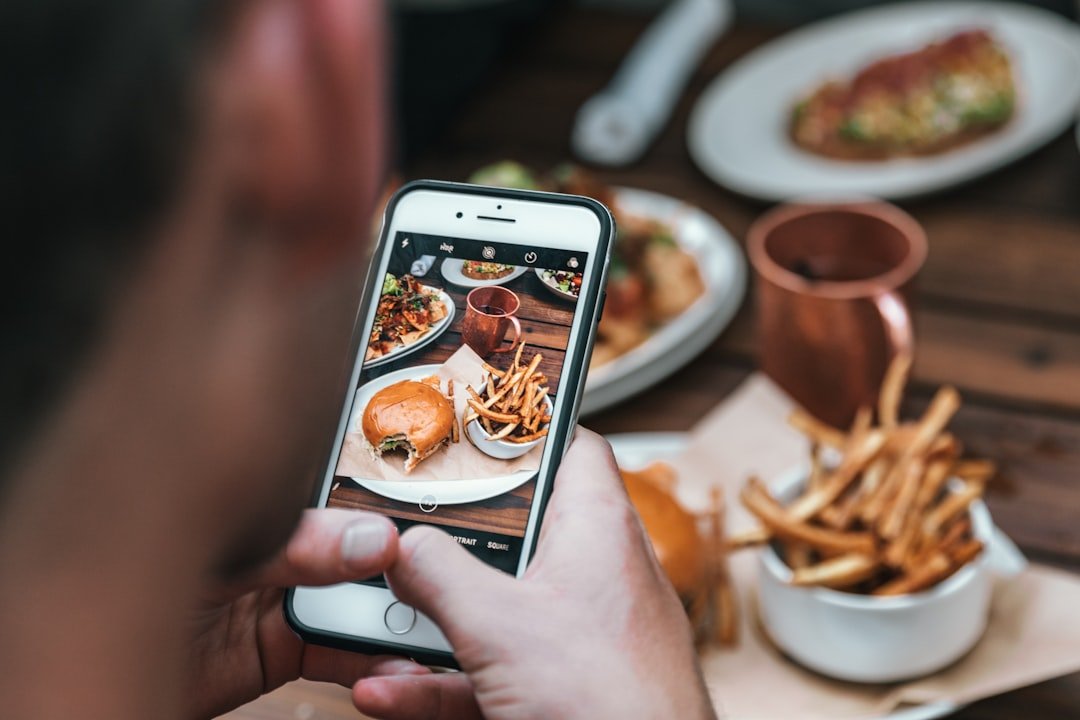
Running many accounts brings a real risk: breaking platform rules by accident. Fake followers, bought likes and pages that pretend to be random fans can get accounts limited or removed. Both TikTok and Instagram have rules against fake engagement, and they enforce them.
So keep it clean. Each city page should say plainly that it belongs to your brand. Use a separate email for each one, keep logins secure and never buy engagement. If a page grows slowly, that’s fine. A small page with neighbors who comment beats a big page nobody reads.
Also, decide who replies to comments on each page before you launch, not after.
Where This Works, and Where It Doesn’t
This model fits chains whose stores feel different by city. Think restaurants, gyms, salons and repair shops. It fits less well in other cases.
If you have only two or three locations, start with one strong account and tag each store’s location in posts. If your stores are near-identical airport kiosks, there’s little local story to tell. And if no one will film anything, nothing here helps. No clips means no posts. Results also vary by city, by menu and by how much locals care about food content.
Measure what matters to a restaurant. Likes are nice, but visits pay the rent. Use a promo code per city, or ask at checkout, “Did you see us online?” Then compare stores that post with stores that don’t. That tells you more than any reach chart.
A Step-by-Step Pilot Plan
- Pick five to ten pilot cities with strong local culture and keen managers.
- Set up one clearly branded account per city, with its own email and a secure login.
- Send each store the kit and the shot list, and run a short training call.
- Plan four weekly themes so nobody scrambles for ideas.
- Track visits with city promo codes for a few months, then decide whether to expand.
Want more on building a posting system that doesn’t eat your week? Browse our blog or the AI automation tips section.
Frequently Asked Questions
How many locations do you need before city accounts make sense?
There’s no fixed number. As a rough rule, city pages pay off when your stores sit in places with clearly different local culture and someone can film there each week. With only a few stores, one strong account that tags each location is usually easier to run and easier to keep active.
Can store managers really make good social videos?
Yes, if you keep the asks small. A shot list with clear prompts, a phone tripod and a short training call cover most of it. Managers capture raw clips, and head office picks the best and writes the captions. Rough phone video with your own staff and customers often fits short-video feeds better than studio ads.
Is it allowed to run several accounts for one brand?
Brands commonly run separate pages for regions or locations. The key is honesty. Label each page as your brand’s local account, don’t buy followers or likes, and follow each platform’s rules on fake engagement. Pages that pretend to be independent fans, or that rely on bought engagement, risk being limited or removed.
Running dozens of accounts is the hard part, and it’s the part we do. x20.online creates and runs TikTok, Instagram, YouTube and Facebook accounts and posts your existing videos on them every day. See how x20.online works or check our pricing: one pack of 20 accounts costs $198 per month. You keep filming. We handle the posting.
◈ Comments (0)