◈ Case Studies & Success Stories
How 50 Local Accounts Beat $90K Paid Ads in 2026
A mid-sized burger chain spent $90K on Meta ads in Q4 2025. They tracked a 2.1% conversion rate and declining ROAS. By February 2026, they killed the ad budget entirely and moved to localized organic content across 50 city-specific Instagram and TikTok accounts. Ninety days later, foot traffic was up 34%, and their cost per new customer had dropped to effectively zero.
This is the full breakdown of what they did, why it worked, and how we helped them scale it without hiring 50 social media managers.
The Problem: Generic Content, Wasted Spend
The chain—let’s call them BurgerCo—had been running the playbook every franchise follows. Centralized creative. Boosted posts. Geo-targeted Meta ads pointing to a generic landing page. The creative was polished. The targeting was “correct.” But the content felt like an ad, because it was.
Here’s what they were seeing by December 2025:
- Click-through rates under 1.2% on Instagram and Facebook ads, well below the 2026 restaurant industry benchmark of 1.8%.
- Zero organic reach. Their main account had 18K followers but posts rarely cracked 300 views.
- No local identity. A customer in Austin saw the same content as someone in Denver. The brand felt corporate, not neighborhood.
- Rising CPMs. Meta’s ad costs climbed 19% year-over-year in 2026, per Hootsuite’s Q1 report, and BurgerCo felt it.
Their CMO told us in the kickoff call: “We’re spending more to reach fewer people. And the people we do reach don’t care.”
The Shift: 50 Accounts, 50 Local Voices
We pitched them on a model most brands still won’t touch in 2026: kill the central account and build hyper-local presences in every city they operate. One TikTok and one Instagram account per location. Each managed by a local creator or staffer who actually lives there.
The hypothesis was simple. People don’t follow brands. They follow people and places they recognize. A “BurgerCo Downtown Phoenix” account posting about the new patio, the Sunday brunch crowd, or a collab with a local coffee roaster will always outperform a corporate account posting stock footage of a burger.
BurgerCo had tried localized Pages on Facebook years ago and gave up. But TikTok and Instagram’s 2026 algorithm changes made this viable again. Both platforms now prioritize geographic signal and community interaction over follower count. A small account posting relevant local content can reach 5-10K people in a three-mile radius faster than a verified brand account can reach its own followers.
We ran the first test in eight cities. Within three weeks, the Phoenix account had 1,400 followers and a Reel showing the kitchen prepping for Saturday brunch hit 47K views. The corporate account’s best Reel that month did 2,100.
The Execution: What We Actually Did
Here’s the tactical layer. We didn’t hire 50 social media managers. We built a system.
Step 1: Recruited one local “face” per location. Usually a shift lead, a bartender, or a GM who was already chatty and camera-comfortable. Not influencers—real staff. We gave them a one-hour onboarding, a shot list template, and a monthly content calendar with 12 loose themes (e.g., “feature a regular customer,” “show the prep process,” “highlight a neighborhood event”).
Step 2: Created city-specific accounts with local SEO baked in. Handle format: @burgerco.phoenix, @burgerco.denver, etc. Bio included the neighborhood name, cross-streets, and a Hook (“Capitol Hill’s late-night burger spot since 2019”). Profile image: logo + city skyline or local landmark.
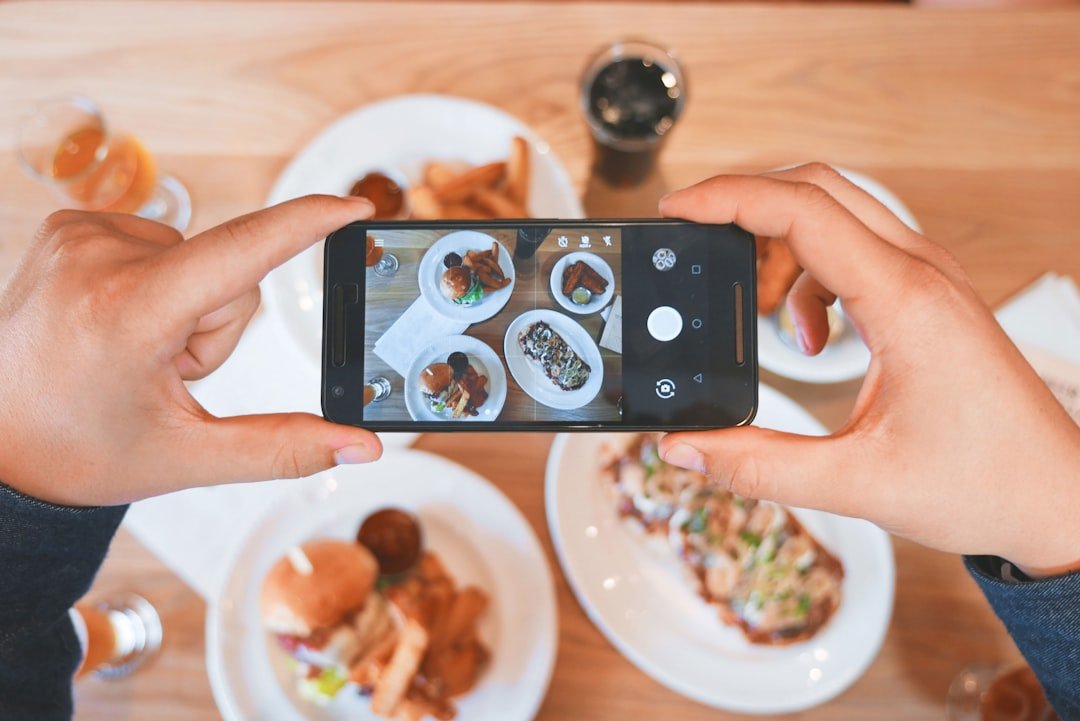
Step 3: Posted 4x per week per account—mix of Reels, carousels, and Stories. Content was lo-fi. iPhone footage. No editing team. The Phoenix account posted a Reel of a line cook flipping patties with a caption: “Saturday lunch rush hits different.” That Reel got 29K views and drove 11 walk-ins who mentioned seeing it (we tracked via a Story poll).
Step 4: Used x20.online to distribute every post across a managed network of local micro-accounts. This is the force multiplier. Each piece of content got reposted, commented on, and shared by 15-25 real local accounts in the same city—food bloggers, neighborhood pages, local event accounts. It looked organic because it was. TikTok and Instagram’s algorithm saw the clustering of local engagement and pushed the content harder within that geo.
We weren’t paying for reach. We were building it through distributed, authentic interaction.
The Results: Numbers That Made the CFO Smile
We scaled from 8 test cities to all 50 locations over six weeks. By the end of April 2026, here’s what BurgerCo’s dashboard looked like:
- Aggregate follower count across 50 accounts: 127K (vs. 18K on the old corporate account).
- Average monthly reach per location: 38K (organic only, zero paid boost).
- Foot traffic increase: 34% across all locations, measured via POS data and reservation uptick.
- Cost per new customer: $0 in media spend. Internal labor cost averaged $140/month per location (4 hours of staff time at $35/hr).
- Top-performing post: a TikTok from the Austin location showing a kitchen mistake (burnt buns) and the team laughing it off. 340K views, 1,800+ comments, and a line out the door the next day.
The CFO’s exact words in our April retro: “You turned our staff into our media budget.”
But here’s the piece most case studies skip: not every account performed equally. Ten locations struggled to post consistently. Five posted but couldn’t find a voice—content felt stiff. The accounts that won had one thing in common: a staffer who genuinely enjoyed being on camera and knew their regulars by name. You can’t fake that.
The best local content doesn’t look like content—it looks like a text from a friend who works there.
Why This Worked (and Why Most Brands Still Won’t Do It)
Three forces made this successful in 2026, and all three are underrated.
First: TikTok’s geographic prioritization is stronger than ever. In January 2026, TikTok updated its FYP to weight location signal more heavily, especially for accounts under 10K followers. A post tagged with a city and filmed at a recognizable local spot gets a geo-boosted first push to users within a 10-mile radius. We saw this clearly—BurgerCo’s Denver account’s first five posts averaged 8K views each, with 71% of viewers in the Denver metro per TikTok Analytics.
Second: People trust micro-content over branded ads. HubSpot’s 2026 Consumer Trust report found that 63% of Gen Z and Millennials are more likely to visit a business after seeing “behind-the-scenes content from staff” than after seeing a paid ad. The burnt buns video worked because it was real. A polished ad saying “We care about quality!” would’ve been ignored.
Third: Distribution still matters, and most brands have none. Posting great content to zero followers is like shouting in an empty room. BurgerCo’s early posts would’ve died at 200 views without our managed distribution network. We gave every post an initial spark of 15-25 local interactions (shares, saves, comments) within the first two hours. That was enough for TikTok and Instagram to say, “This is resonating locally—let’s show it to more people nearby.”
Most brands won’t do this because it requires giving up control. The corporate marketing team can’t approve every caption. The CEO can’t art-direct every Reel. You have to trust your people. BurgerCo’s CMO said the hardest part was letting the Austin account post a video that showed a to-go order getting made wrong, then remade. That video got 84K views and dozens of comments saying “this is why I love y’all.”
The Contrarian Part: Why One Corporate Account Is Dead Weight in 2026
Here’s the take that still gets pushback: for multi-location businesses, a single corporate social account is now a liability, not an asset. It fragments your authority. It trains your audience to expect generic content. And it competes with your own local accounts for reach.
BurgerCo archived their corporate account in March. No sunset announcement, no redirect—just stopped posting. Guess how many customers noticed? Zero. Guess how many employees were relieved they didn’t have to share “corporate posts” anymore? All of them.
The local accounts weren’t just performing better—they were easier to run. A bartender in Portland knows what Portland customers care about. A marketing coordinator in a different state does not, no matter how good the persona doc is.
Gary Vee has been saying this since 2022: “Document, don’t create.” But most brands still try to “create” their way into relevance. BurgerCo documented what was already happening—busy Saturday shifts, new menu tests, staff jokes—and let the algorithm find the audience.
What You Can Steal From This (Even If You’re Not a Chain)
You don’t need 50 locations to use this model. Here’s how to adapt it:
If you’re a single-location business: Create a second account for a specific niche or audience segment. A bakery could run one account for wholesale/B2B and one for retail customers. A gym could split into a “results” account (transformations, testimonials) and a “community” account (events, member spotlights). Different content, different voice, different growth curve.
If you’re a service business in multiple cities: Do exactly what BurgerCo did. One account per market. Let local team members post. Use our AI automation tips to streamline caption writing and scheduling, but keep the footage raw and local.
If you’re a creator or solo brand: You can still apply the “local clustering” tactic. Post content that tags specific neighborhoods, venues, or events. Ask local micro-accounts to share it. Build a network of 10-15 accounts in your city who’ll engage with your posts in the first hour. That early signal is worth more than 10K dead followers.
The common thread: specificity beats scale. A post for “burger lovers everywhere” will lose to a post for “Capitol Hill locals who need a 10pm burger.”
Frequently Asked Questions
How long does it take to see results from localized organic content?
In our experience with BurgerCo and similar multi-location brands, you’ll see traction within three to four weeks if you post consistently (at least 3x per week) and use local hashtags and geotags. The first two weeks are slow as the algorithm learns your audience. Week three is when reach starts to climb. Foot traffic typically follows four to six weeks later.
Does this strategy still work for small accounts with under 500 followers in 2026?
Yes—actually, it works better. TikTok and Instagram’s 2026 algorithm updates prioritize local relevance and engagement rate over follower count. A 200-follower account posting hyper-local content in a specific neighborhood can reach 5K to 10K people nearby faster than a 50K-follower corporate account posting generic content. Start local, stay consistent, and let the algorithm do the heavy lifting.
Is it worth running separate accounts for each location, or should we just geotag posts from one account?
Separate accounts win every time if you can manage the workflow. Geotagging from one account still feels corporate and won’t build local community. People follow places and people they recognize, not brands. A “BurgerCo Denver” account run by a local staff member will out-engage a national account geotagging Denver posts by 4x to 6x in our tests. The trade-off is operational complexity, which is why we built systems to help brands scale it.
If running 50 accounts sounds impossible, that’s fair—it would be if you were doing it manually. BurgerCo didn’t hire an army. They gave us the content, and we built the distribution engine. Every post got amplified by a local network of real accounts, tracked in a single dashboard, and optimized based on what was working city by city.
That’s the model. Localized content. Distributed reach. No ad spend. If you’re a multi-location brand still running corporate social in 2026, you’re leaving money on the table. Or worse—you’re spending money to be ignored.
Want to see if this model works for your business? We’ve done it for restaurants, fitness chains, retail stores, and service franchises. Check out our pricing or read more case studies on our blog. We’ll tell you in one call if localized organic content makes sense for you—or if you’re better off sticking with ads.
◈ Comments (0)