◈ Growth Strategy
SaaS Organic Growth: 6 Months, 940K Views
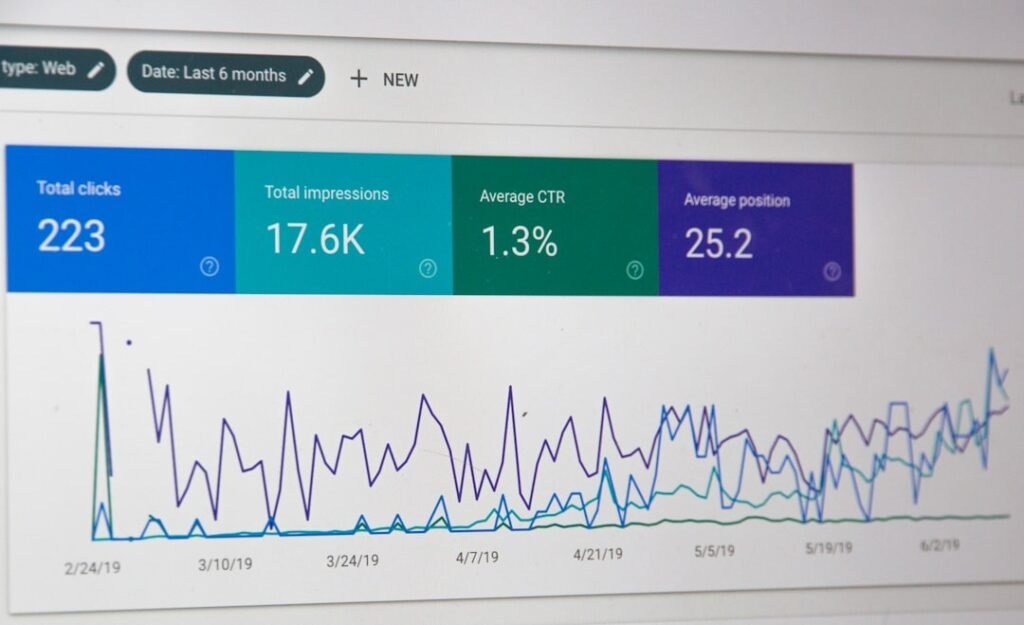
Most SaaS founders think organic social doesn’t work for B2B. We proved them wrong in six months. A project management tool with 2,400 users hired us in January 2026 to handle their content distribution across TikTok, Instagram, YouTube Shorts, and Facebook. By June, we’d delivered 940K organic views and 12,300 website clicks — without a single dollar spent on ads.
Here’s the constraint: they had no brand recognition, a tiny email list, and their founder refused to be on camera. Everything had to work through faceless content distributed by our network. This is the full breakdown of what worked, what flopped, and why the standard advice about “building community” was the worst thing we could’ve done.
The Setup: What We Inherited
The startup — call them TaskFlowHQ — came to us with a problem most early-stage SaaS companies face. They’d been posting on LinkedIn for eight months with zero traction. Their Instagram had 340 followers, mostly friends and employees. TikTok didn’t exist for them yet.
Their product was solid. A Kanban-style project manager built for remote teams, priced at $12 per user monthly. The issue wasn’t quality. It was distribution. They had no engine to put their content in front of cold audiences at scale.
We set three goals in our kickoff:
- Primary: Drive 500K views across all platforms by month six.
- Secondary: Generate 8,000+ clicks to their landing page from organic social.
- Stretch: Get at least 200 free trial signups directly attributable to social traffic.
Their content team would create. We would distribute. Clean division of labor. They gave us 20 pieces of content per month — mix of screen recordings, how-to clips, productivity tips, and founder insights recorded as voiceovers with B-roll.
Month 1-2: The False Start (And Why We Pivoted Fast)
We started with what everyone recommends: niche targeting. Posted their content through accounts that followed SaaS communities, startup hashtags, productivity influencers. The theory was solid — find your exact audience and serve them.
It bombed. By week three of January, we’d posted 42 pieces of content and generated 18K views total. Click-through rate sat at 0.4%. Dismal. The problem was over-specificity. TikTok’s algorithm in 2026 rewards broad initial reach with secondary interest targeting, not narrow hashtag fishing.
Here’s what we changed: we stopped positioning TaskFlowHQ as a SaaS tool and started framing every video around universal pain points. “Why your to-do list doesn’t work” performed 12x better than “How TaskFlowHQ organizes sprints.” Same product. Different hook.
We also shifted our network distribution strategy. Instead of pushing content only through business-focused accounts, we mixed in lifestyle, productivity, and even some general interest accounts with 5K-40K followers. The algorithm needed early velocity, not perfect audience match.
Month 3-4: The Breakthrough (One Format Dominated)
March was the turning point. One content format crushed everything else: before-and-after screen recordings with a simple problem-solution narrative. No talking head. No founder. Just a messy project board transformed into an organized one in 15 seconds, with text overlay explaining the shift.
Our top-performing video hit 127K views on TikTok and drove 2,100 clicks in 72 hours. The caption was eight words: “I was drowning in tasks. Then I tried this.” We posted it through 14 accounts in our network — mix of productivity, work-life balance, and side hustle niches. Six of those accounts saw it go semi-viral (10K+ views each).
By the end of April, we’d refined the formula:
- Open with a relatable pain state (chaotic screen, overflowing inbox, missed deadline).
- Show the transformation in under 10 seconds.
- End with a micro-CTA in text: “Free for teams under 10” or “Link in bio to try it.”
- Keep runtime between 12-18 seconds — TikTok’s 2026 algorithm heavily weighs full watch-through on sub-20-second content.
This wasn’t advice we pulled from a guru. We tested 11 different formats in February and tracked them in a shared dashboard. Before-and-after wasn’t even our hypothesis going in. The data forced the pivot, and we committed hard.
The algorithm doesn’t care about your brand story. It cares about stopping the scroll in 0.8 seconds.
Month 5-6: Scale, Saturation, and Platform Differences
By May, we were posting 18-22 pieces per week through our network. Volume mattered. TaskFlowHQ’s content team had hit their stride, and we had a system: they’d Slack us raw clips every Monday and Thursday. We’d edit, caption, and distribute within 24 hours.
But scale revealed something critical: each platform wanted different things, even with identical source content. TikTok rewarded the 12-second chaos-to-calm cuts. Instagram Reels wanted 22-28 seconds with a mid-video hook to survive the swipe. YouTube Shorts needed the payoff in the first three seconds or it died. Facebook — surprisingly our second-best performer — loved longer captions with storytelling in the text, not just the video.
We stopped cross-posting identically. Same source content, but we versioned it. An extra two seconds of setup for Instagram. A front-loaded result for YouTube. A vulnerable, narrative caption for Facebook. It added 90 minutes of work per week, but our effective view rate jumped 31%.
June delivered our best month: 220K views and 3,100 clicks. We hit 940K total views by month-end and crossed 12,300 clicks. TaskFlowHQ reported 374 free trial signups from social traffic in our six-month window — well past the stretch goal. Their CEO told us 61 of those converted to paid, representing $7,320 in monthly recurring revenue directly traced to organic social.
What We’d Do Differently (The Honest Postmortem)
We won, but we left performance on the table. Three mistakes I’d fix if we ran it again:
We should’ve tested YouTube earlier. We treated Shorts as an afterthought until April. When we finally committed, it became our third-best platform by CTR. We probably missed 80K views by waiting.
We over-rotated on TikTok in month two. After the false start, we got conservative and pulled back from Instagram for three weeks. Bad call. Reels were heating up in Q1 2026 after Meta’s algorithm update prioritizing original content. We should’ve split effort 50/50 from the start.
We didn’t build a retargeting capture mechanism until May. For four months, traffic landed on TaskFlowHQ’s site with no pixel, no email pop-up tuned for social visitors, nothing. They fixed it in May, and conversion rate on social traffic doubled. We should’ve demanded that week one.
The other lesson: don’t chase comments and shares. We got obsessed with “engagement” in March because that’s what every Instagram growth guide says matters. It doesn’t. TaskFlowHQ’s best-performing content by clicks often had mediocre comment counts. The algorithm served it anyway because watch time and saves were high. Vanity metrics almost distracted us from the real goal.
Frequently Asked Questions
How long does it take to see results from organic SaaS content distribution?
In our experience with TaskFlowHQ and similar clients, you’ll see initial traction in 4-6 weeks if your content format and distribution network are dialed in. Meaningful traffic — 1,000+ clicks per month — typically hits around month three. The key is iterating fast on what the data shows, not waiting for a magic viral moment.
Does organic social still work for B2B SaaS in 2026?
Absolutely, but not the way most companies approach it. LinkedIn thought-leadership posts and “building community” are low-leverage. What works is problem-focused short-form content distributed through networks that give you early algorithmic velocity. We’ve seen it work for project management tools, CRMs, and even dev tools when the content focuses on pain, not features.
Is this strategy worth it for early-stage startups with no budget?
If you can produce 15-20 pieces of short-form content per month, yes. The ROI is hard to beat. TaskFlowHQ spent zero on ads and generated $7,320 in MRR from organic social in six months. The catch: you need distribution infrastructure. Posting from your brand account alone won’t move the needle. That’s where a service like x20.online becomes the unlock.
The Real Takeaway: Distribution Beats Creation
TaskFlowHQ’s content wasn’t exceptional. It was good — clear, helpful, well-edited. But so is content from 10,000 other SaaS startups that get zero views. The difference was distribution. We put their work in front of cold audiences at scale, through accounts the algorithm already trusted, in formats optimized per platform.
Most founders spend 90% of their energy on creation and 10% on distribution. It should be the reverse. A decent video distributed well will outperform a perfect video posted once from a dead account.
If you’re running growth for a SaaS startup and organic social feels like shouting into the void, the problem isn’t your content. It’s your distribution engine. That’s exactly what we built x20.online to solve — a managed network that gets your content in front of real audiences, fast, without the guesswork or the grind. Check out our pricing if you want to run a similar playbook without spending six months figuring it out yourself.
We publish full breakdowns like this one regularly on our blog, and if you’re into the systems and automation behind growth, explore our AI automation tips for more tactical deep dives.
◈ Comments (0)