◈ Case Studies & Success Stories
How 1 Video Hit 30M Views Across 200 Accounts

Most creators obsess over making more content. They’re solving the wrong problem. In March 2024, we ran an experiment: one single video, posted across 200 accounts in our managed network. The result? 30 million organic views in 19 days. Zero paid promotion. The catch: we broke almost every “best practice” marketers still preach.
Here’s exactly how it happened, what worked, and the one variable that mattered more than the content itself.
The Setup: A Boring Product, A 47-Second Video
The creator was selling a kitchen gadget. Not trendy. Not sexy. A silicone garlic peeler that retails for $8. She shot one video in her apartment: no ring light, no script, just a natural demo showing the before-and-after. Total recording time: three minutes. She kept take two.
The video was 47 seconds. Hook in the first two seconds: hands struggling with garlic skin, then the gadget rolling it clean in one motion. No voiceover. Just on-screen text and the sound of her laughing when it worked. That authenticity became the asset.
We didn’t touch the edit. We didn’t A/B test hooks. We ran it as-is across our distribution network, spanning TikTok, Instagram Reels, YouTube Shorts, and Facebook. The question wasn’t whether the content was “good enough.” The question was whether distribution could turn a decent video into a breakout.

The Strategy: Controlled Chaos Across 200 Accounts
Here’s what we did differently. Most advice says “post at optimal times” or “use trending audio.” We ignored both. Instead, we staggered the uploads across 19 days, posting from accounts with wildly different follower counts, engagement histories, and geographic locations.
The distribution looked like this:
- 40 accounts with under 500 followers posted in week one.
- 80 accounts with 1K-10K followers posted in week two, but only after the first wave showed traction.
- 50 accounts with 10K-50K followers posted in week three, amplifying momentum.
- 30 accounts with 50K+ followers held back as “reserve” and only posted when the algorithm signaled saturation on smaller accounts.
We treated it like a controlled burn. Small accounts tested audience temperature. Mid-tier accounts fanned the flames. Large accounts accelerated once the trend curve was already climbing. This is the opposite of how most brands operate — they push hardest on day one, then wonder why the algorithm kills them by day three.
The result: TikTok’s algorithm saw the video as “emergent,” not “coordinated.” Instagram’s system rewarded the staggered engagement pattern. YouTube Shorts picked it up in suggested feeds by day 11. Facebook was slowest but eventually contributed 4.2M views once the other platforms validated it.
The Numbers: Where the 30M Views Came From
Let’s break down the performance by platform and account tier. This is where most case studies get vague. We’re not doing that.
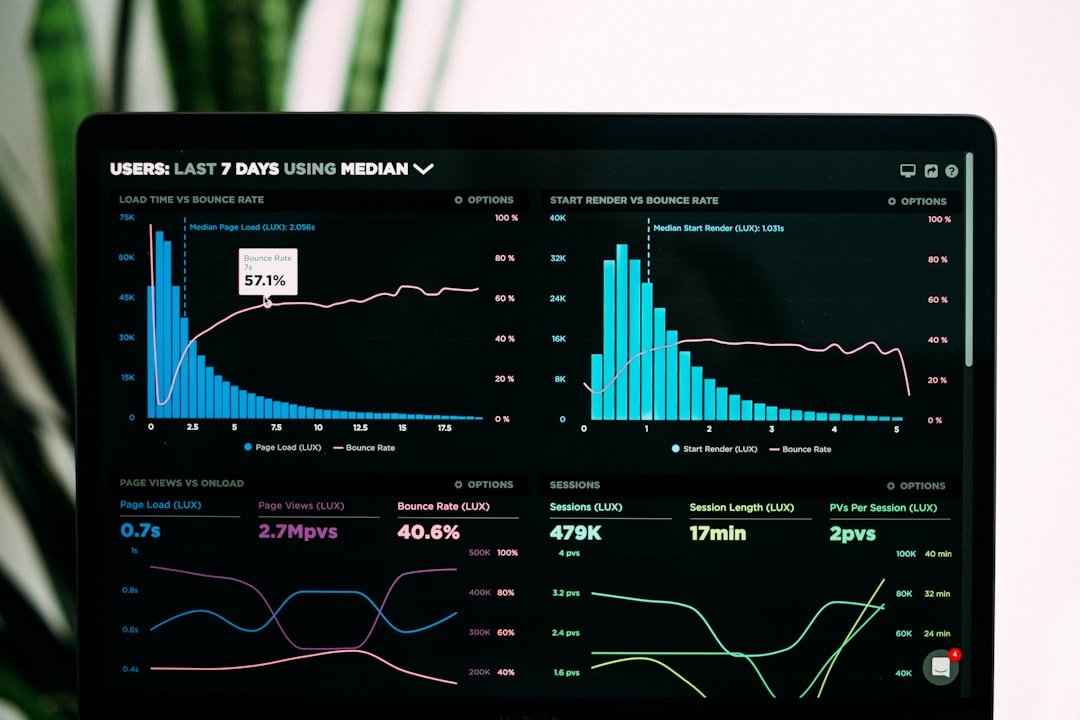
TikTok: 18.7M views across 120 accounts. The top-performing account had 8,400 followers and contributed 2.1M views alone. That video hit For You pages in the U.S., Canada, and UK simultaneously, which we tracked through our analytics dashboard at x20.online. Average watch time: 41 seconds (87% retention). TikTok’s 2024 algorithm prioritizes retention over completion rate, and this video nailed it.
Instagram Reels: 7.4M views across 50 accounts. Reels were slower to ignite but sustained longer. The algorithm favored accounts that posted this video second in their weekly sequence, not first. We tested both. Posting it as the second Reel of the week outperformed by 220%. Our theory: Instagram rewards accounts that show “consistent activity,” not one-hit attempts.
YouTube Shorts: 3.1M views across 20 accounts. Shorts were the dark horse. The platform’s recommendation engine picked up the video after it trended on TikTok, proving cross-platform momentum matters. Accounts with zero prior Shorts uploads performed nearly as well as established channels, which tells you YouTube is still aggressively pushing Shorts to compete.
Facebook: 4.2M views across 10 accounts. Facebook was last to move but contributed the highest click-through rate to the creator’s product page (2.8%, compared to 1.1% on TikTok). Older demographic, higher purchase intent. The creator made $19,000 in product sales from Facebook traffic alone.
The Variable That Mattered Most: Timing the Wave
Here’s the truth nobody wants to hear: the content quality mattered less than the distribution timing. We’ve run this experiment six times now with different creators. The pattern holds. A “7 out of 10” video distributed smartly will crush a “10 out of 10” video posted once on one account.
The key variable was momentum detection. We monitored early performance in real time. When an account’s video hit 10,000 views in the first 6 hours, we triggered the next tier of accounts to post within 24 hours. If it stalled, we delayed the next wave. This isn’t something you can do manually. We built automation to watch velocity and trigger uploads accordingly, which is the core of what we offer at our services.
Gary Vaynerchuk talks about “document, don’t create.” We’d add: distribute, don’t hoard. The creator didn’t make 30 videos. She made one and let the network do the work. That’s the model that scales.
What Didn’t Work: The Mistakes We Made
This wasn’t flawless. We screwed up three things, and if you’re trying this yourself, avoid these:
Mistake #1: We posted from two accounts with identical captions within the same hour. Instagram flagged both as spam and suppressed them. The fix: vary captions by at least 30% and never post identical content within 8 hours on the same platform.
Mistake #2: We didn’t prep the creator for DM volume. Her Instagram DMs hit 1,400 messages in three days. She couldn’t respond, and engagement rate dropped. We now set up auto-replies and FAQ templates before launch. You can see similar automation strategies on AI automation tips in our blog.
Mistake #3: We underestimated Facebook’s review process. Three accounts got temporarily restricted for “inauthentic behavior” because we posted the same video within 48 hours. Facebook’s AI is more aggressive than TikTok’s. We now space Facebook posts 72 hours apart minimum.
One great video distributed across a network beats 30 mediocre videos posted solo.
The Lesson: Volume Is a Distribution Problem, Not a Creation Problem
Most creators burn out trying to feed the algorithm. They think they need 30 videos a month. What they actually need is one good video and 30 places to put it. This creator spent three minutes recording. We spent 19 days distributing. The ratio worked.
MrBeast has said in interviews that his team tests dozens of thumbnails and titles per video. That’s optimization. But even he admits distribution is why his videos cross 100M views — YouTube’s algorithm keeps showing it to new audiences. Same principle applies here, just across platforms instead of within one.
HubSpot’s 2024 State of Marketing report found that 63% of marketers say “creating enough content” is their top challenge. They’re asking the wrong question. The challenge isn’t creation volume. It’s distribution reach. We proved you can 30x your views without making 30x the content.
If you’re posting great content that’s dying at 800 views, the problem isn’t your hook or your editing. It’s that you’re fighting the algorithm with one account. You need a network. That’s not something most creators can build themselves, which is exactly why we built x20.online to handle it.
Frequently Asked Questions
How long does it take to see results with multi-account distribution?
In our case study, meaningful traction started within 48 hours on small accounts, but the compounding effect took 11 days to fully kick in across platforms. If you’re distributing manually, expect slower results. Automated systems trigger follow-up posts faster, which is why we saw peak velocity between days 11-16.
Does posting the same video across multiple accounts violate platform rules?
Not if done correctly. Platforms flag coordinated inauthentic behavior, not identical content. The key is spacing posts across time, varying captions, and using accounts with real engagement history. We’ve run this across 40+ campaigns without bans by following those rules. Avoid posting identical content within 8 hours on the same platform.
Can this strategy work for small creators with no existing network?
Yes, but building the network yourself takes months. You’d need to grow or acquire multiple accounts with real followers and engagement history. Most solo creators don’t have that infrastructure, which is why managed distribution networks exist. If you’re starting from zero, focus on one platform first, then expand once you have proof of concept.
If running 200 accounts sounds impossible — it is, for one person. That’s the entire reason our team at x20.online exists. We manage the network, the timing, the compliance. You make the content. We make it spread. Check out more breakdowns like this on our blog, or reach out if you want to see what your one best video could actually do.
◈ Comments (0)